



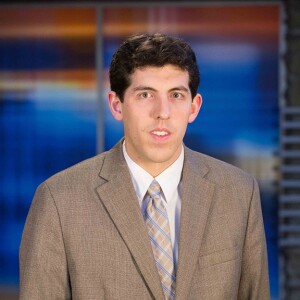
HELENA — Montana voters could be seeing more AI in campaign ads in the coming weeks, after a federal judge restricted enforcement of a state law that required disclosures on so-called “deepfake” campaign materials.
“The First Amendment doesn't care about the hurt feelings of Montana legislators,” said attorney Matthew Monforton.
Monforton represents former state Sen. Dan Bartel, R-Lewistown, who challenged Senate Bill 25 in federal court.
(Watch the video for more on what the judge's ruling could mean.)
On Wednesday, Senior U.S. District Judge Susan Watters granted Bartel’s request for a preliminary injunction, stating the law likely violated free expression rights. Watters wrote the state had “failed to prove that the purported risks of generative AI technologies could not be adequately managed” through a less restrictive method.
SB 25 passed the Montana Legislature in 2025, with support from all Democratic lawmakers and a majority of Republicans, and Gov. Greg Gianforte signed it into law. The law required a disclaimer on any political ads, within 60 days of an election, that used AI-generated or digitally altered images, video or sound to “injure the reputation of the candidate or party or otherwise deceive a voter.”
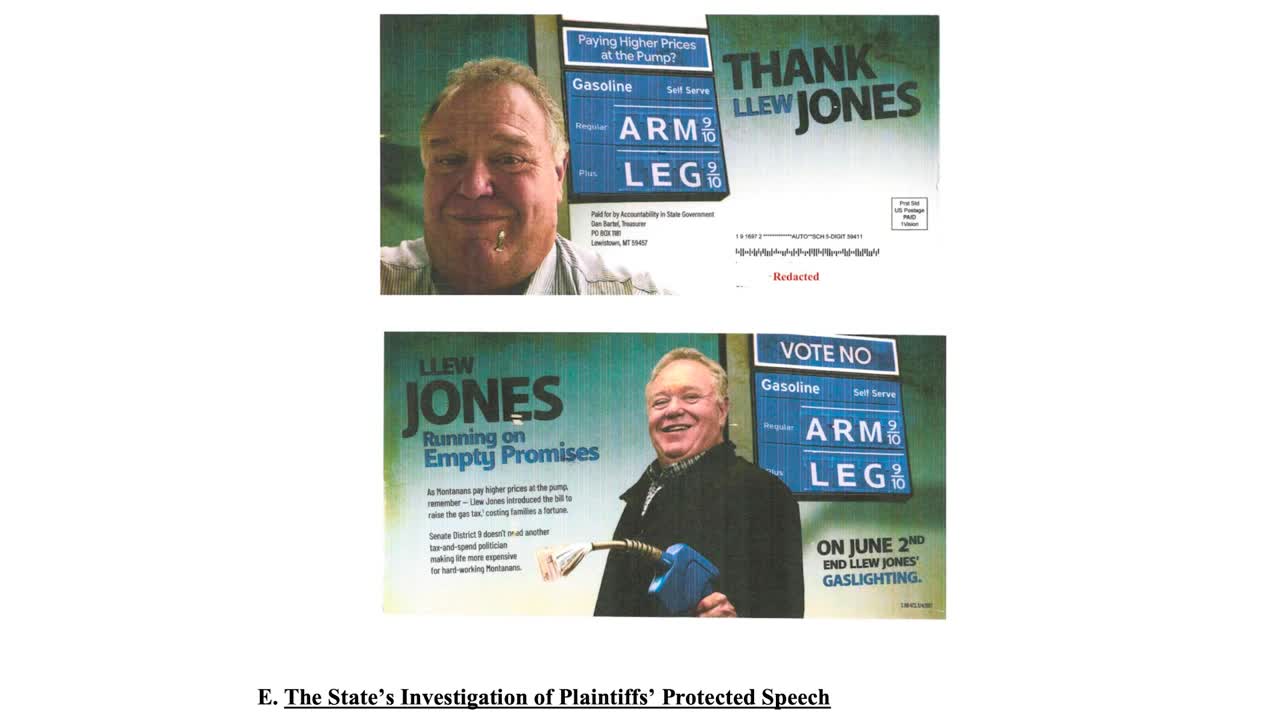
Bartel’s political committee, Accountability in State Government, paid for campaign mailers attacking a number of Republican moderates during this year’s heated GOP legislative primaries. Several of those targeted candidates filed complaints under SB 25.
Bartel argued having to include the disclosure on a campaign ad that used AI undermined the ad’s message, thereby chilling his freedom to make political speech.
“Every generation uses a new political tool, whether it's the printing press, then radio, then TV, then Photoshop, and now AI,” Monforton said. “Liberal Republicans want to criminalize this newest tool rather than engage in debate.”
One of the complaints came from Rep. Eric Albus, R-Hinsdale, who is running for an open seat in the Montana Senate. Accountability in State Government sent out a mailer calling him “woke” because of his vote for the state’s cultural and aesthetic grant bill. It included an altered image that showed Albus wearing a pronoun pin and holding a pride flag.
Albus told MTN he found some of the mailers against him during the campaign amusing, like one that depicted him as a sheep. In this case, though, he said he heard from constituents who believed the image was authentic.
“It really polarized the Hi-Line community, because these people know me, and they view it as what it is – that it's a disparage of character,” he said.
Albus said he considered he had “learned a good lesson,” because he later found some of the grants went to organizations that sponsored LGBTQ-related programs he didn’t approve of, but he believed the mailers were “dirty politics.”
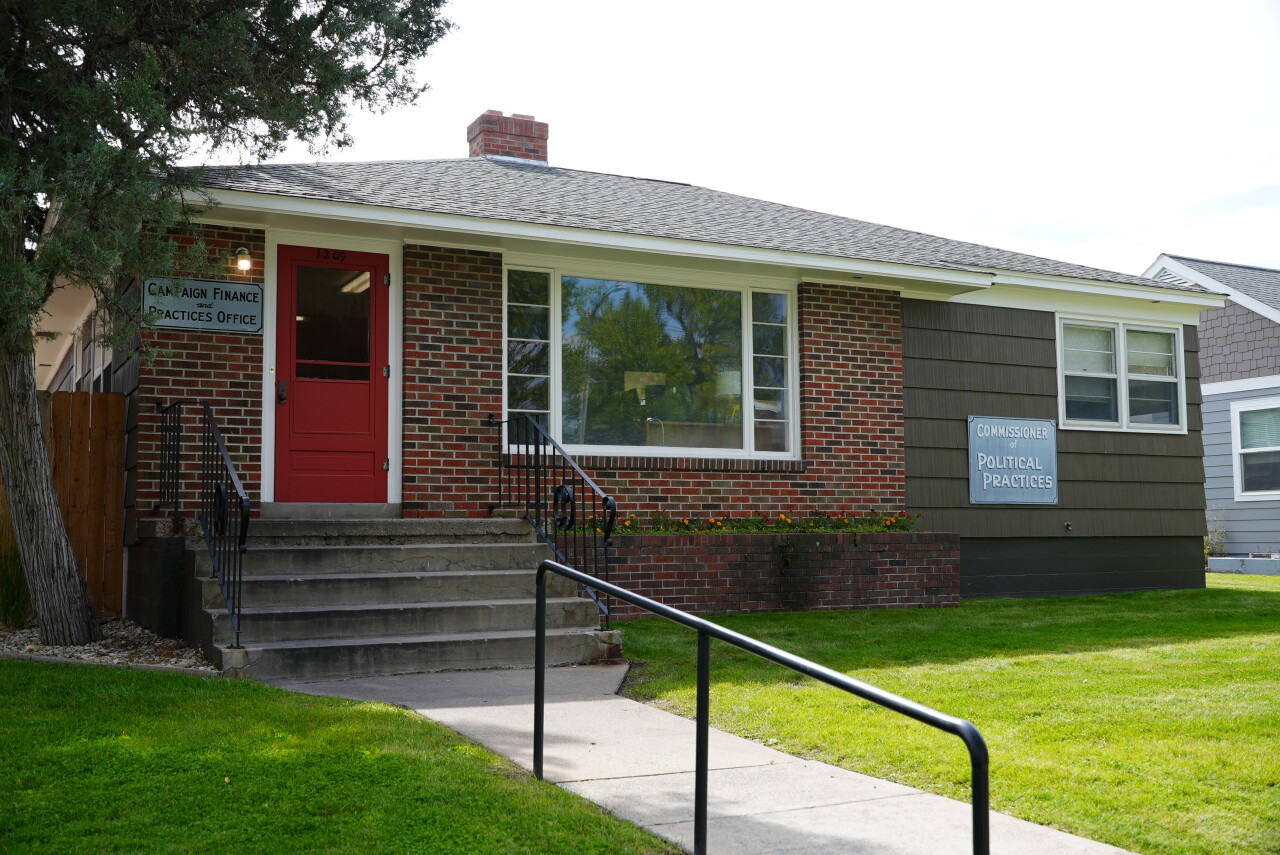
Regardless of the judge’s decision, Bartel and Accountability in State Government weren’t facing any immediate punishment. Montana Commissioner of Political Practices Chris Gallus dismissed Albus’ complaint and the others, saying the mailers fell under an exemption for satire and parody.
Still, Monforton argued the injunction was still needed.
“Even though the commissioner today wasn't going to enforce the statute, that doesn't tell us how he was going to enforce it tomorrow, or how a new commissioner was going to enforce it, or how the county attorney or the attorney general would enforce this law,” he said.
For now, the injunction only prevents the state from enforcing SB 25 against Bartel and Accountability in State Government. Watters cited recent U.S. Supreme Court precedent in cases challenging Trump administration executive orders, saying a limited injunction was enough to protect their political speech.
In court filings, Bartel said, without the threat of this law, Accountability in State Government planned to send out more AI-generated mailers in October – this time against Democratic legislative candidates.
Attorney General Austin Knudsen’s office defended the state law in court. Amanda Braynack, a spokesperson for the office, told MTN in a statement they were disappointed in the decision.
“Montanans deserve to know when they're being deceived by AI manipulated images, audio, and videos of candidates,” she said. “We are reviewing the ruling to determine next steps.”
Albus went on to win his primary and move on to the general election in Senate District 14. He hopes the Legislature will consider other ways of addressing the AI issue.
“I think if we don't strengthen this this session, there's no doubt that we will see more of this going forward,” he said. “I believe 100 percent in free speech, I'm always going to back free speech and vote for free speech – but this is taking free speech a step beyond.”
One of the main reasons Watters cited in ruling SB 25 was likely unconstitutional is that it discriminates based on viewpoint – in particular, because it restricts “deepfakes” that criticize a candidate, but not those that praise a candidate.
