


HELENA — More than four decades ago, Mike Ryan learned how to make a pair of boots in just five and a half days. Today, he has made more than 5,000 pairs and is the last shoe repairman left in Helena.
Watch the story here:
Ryan said becoming a shoemaker was something he wanted to do from a young age.
“You got to have the want to. There's a lot of satisfaction in making a pair of boots,” Ryan said.
Before becoming a bootmaker, Ryan learned shoe repair while working at Al’s Bootery in Billings. He later spent five and a half days learning how to make boots, leaving with a pair of his own and the beginnings of a career that would span decades.
“I left there with a pair of boots and I've been doing it ever since,” Ryan said.
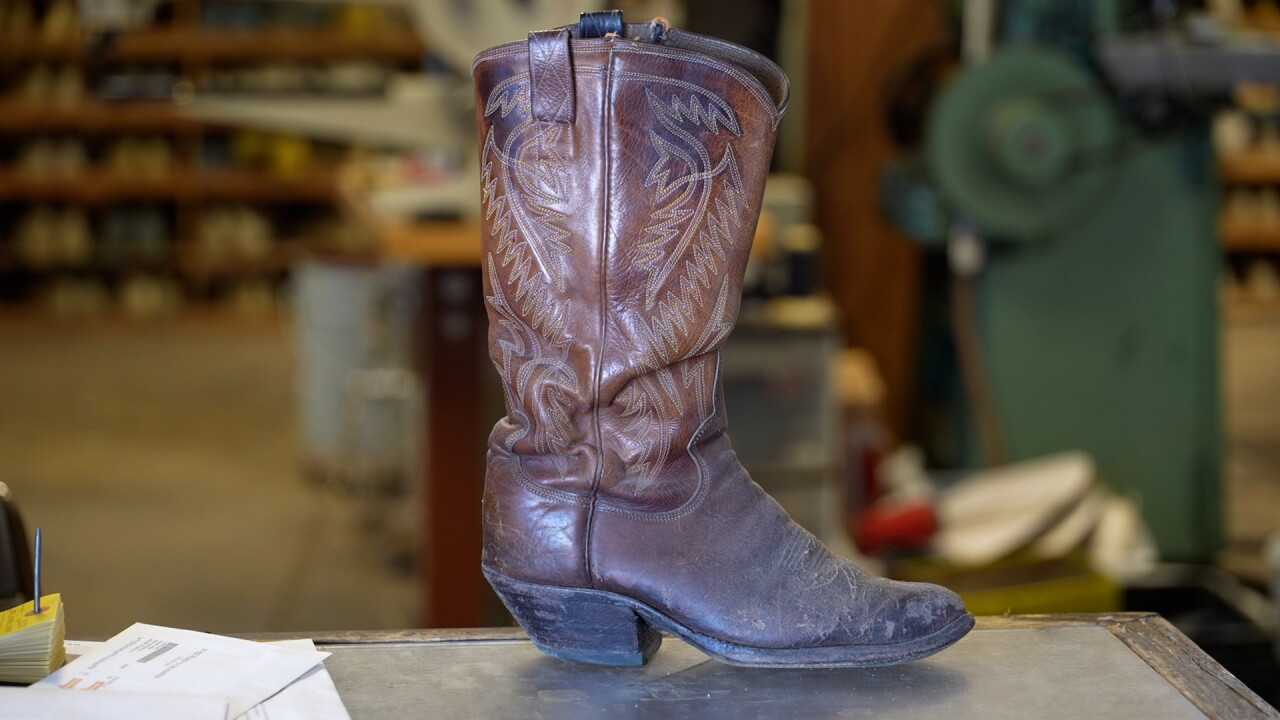
And after all those years, much of the process remains the same.
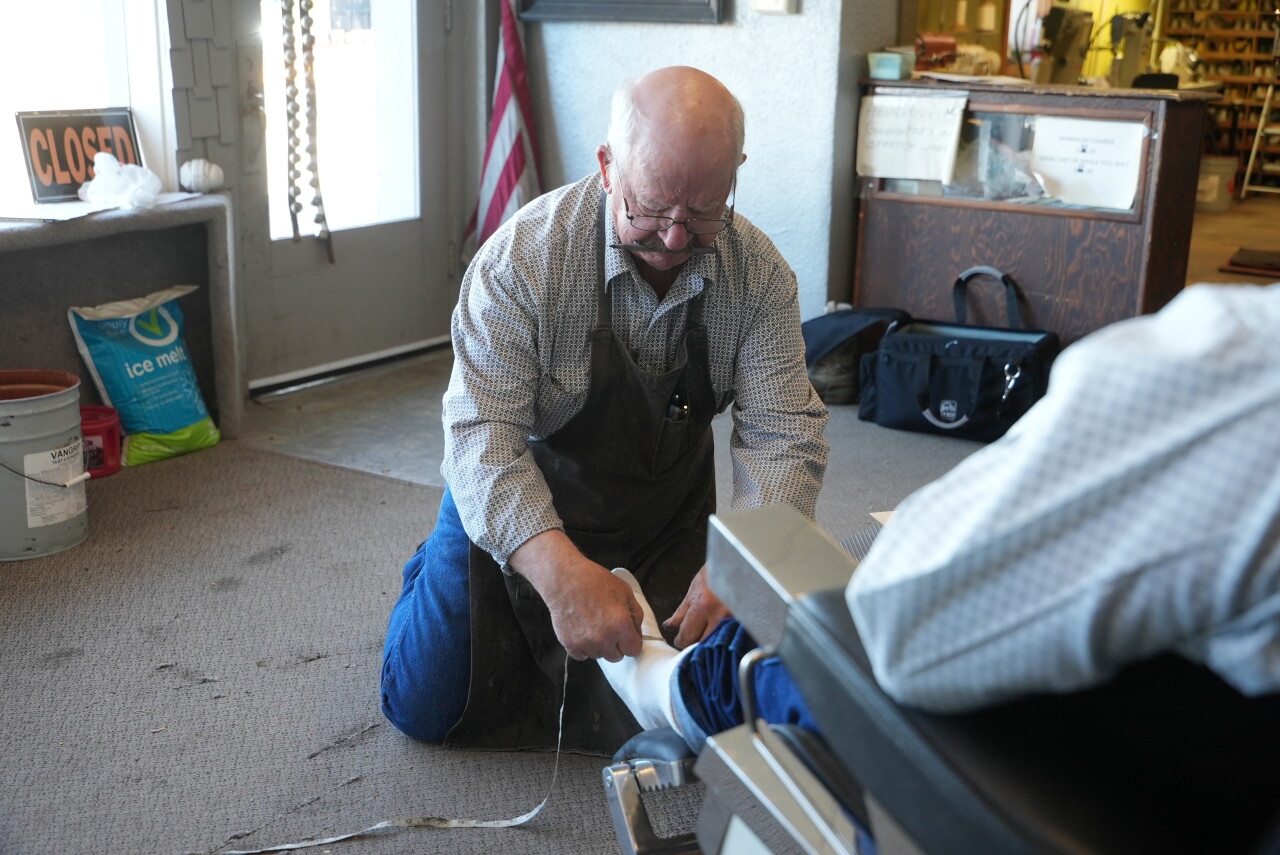
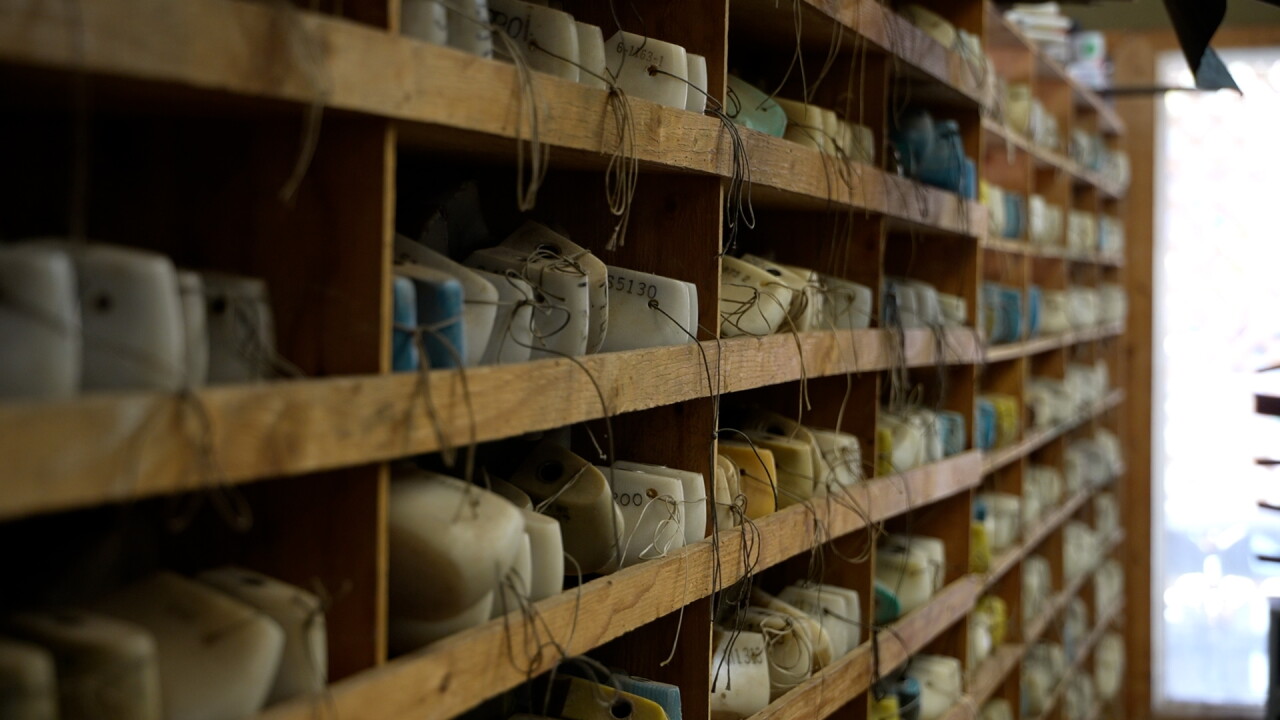
Each custom pair begins by measuring the customer’s feet and deciding what materials they want. Those measurements are transferred to a “last,” or mold, used to form the boot. Ryan has more than 1,500 of them in his shop.
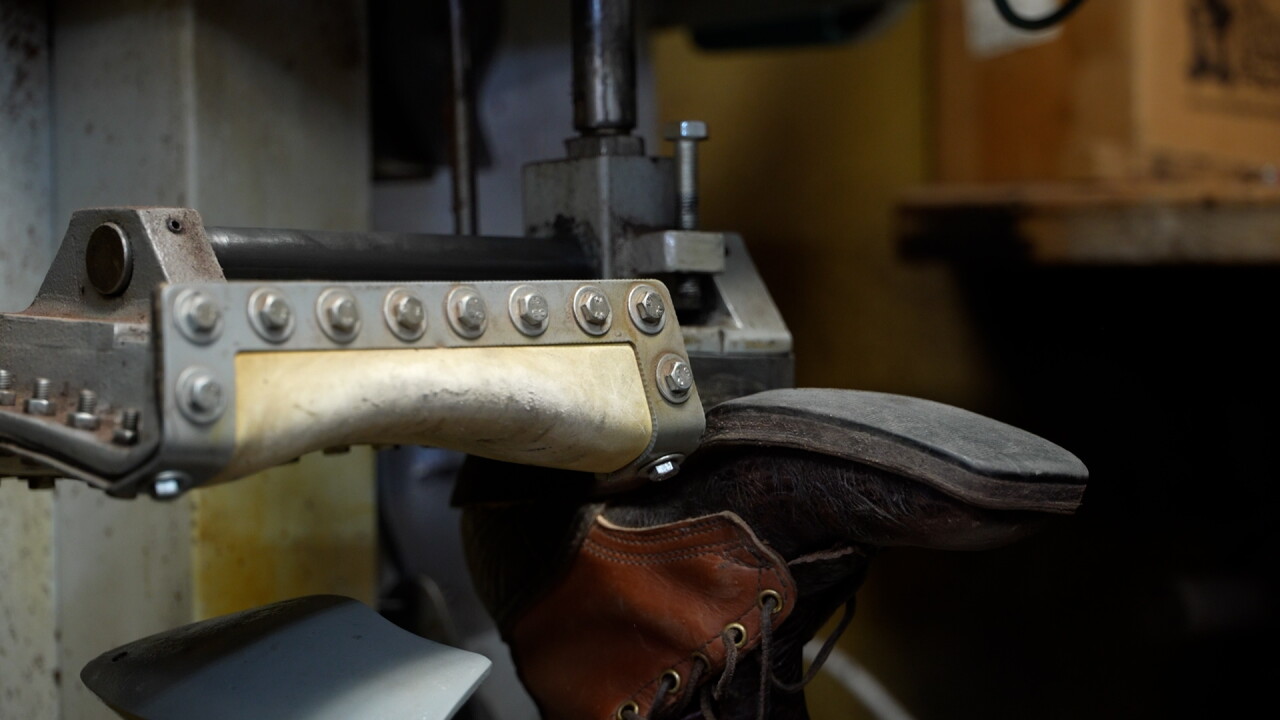
From there, he cuts and sews the leather, assembles the boots and attaches the soles. His shop is filled with machines for cutting, sewing, pressing, shining and polishing, but the finished product is all Ryan.
“There's no comparison,” Ryan said. “Everything I do is made out of leather and it's all made by hand and it's all custom fit.”
The business has changed dramatically since Ryan moved to Helena in 1986.
At the time, he said there were five shoe repair shops in town. Today, his is the last, and the amount of repair work coming through the door isn't what it once was.
“We used to do 15-20 pair a day,” Ryan said. “Now we're lucky to do sometimes one pair, four or five pair.”
Ryan estimates he has repaired thousands of shoes and made more than 5,000 pairs of boots over the course of his career.
He said he essentially retired nine years ago and no longer takes new custom boot customers. But retirement hasn't meant leaving the workbench behind.
His longtime customers still return for another pair, and some now order two or three at a time to make sure they'll have them in the years ahead.
“You know you did something right,” Ryan said. “I don't even take orders now because I have my old customers that want another pair before I die or quit.”
For Ryan, the work has become about more than earning a living. It's also about continuing a craft he has spent most of his life practicing.
And after more than four decades at the bench, he isn't putting an expiration date on it.
“Who knows?” Ryan said. “If I'm here for another 20 years, I'll probably still have customers coming in.”
