

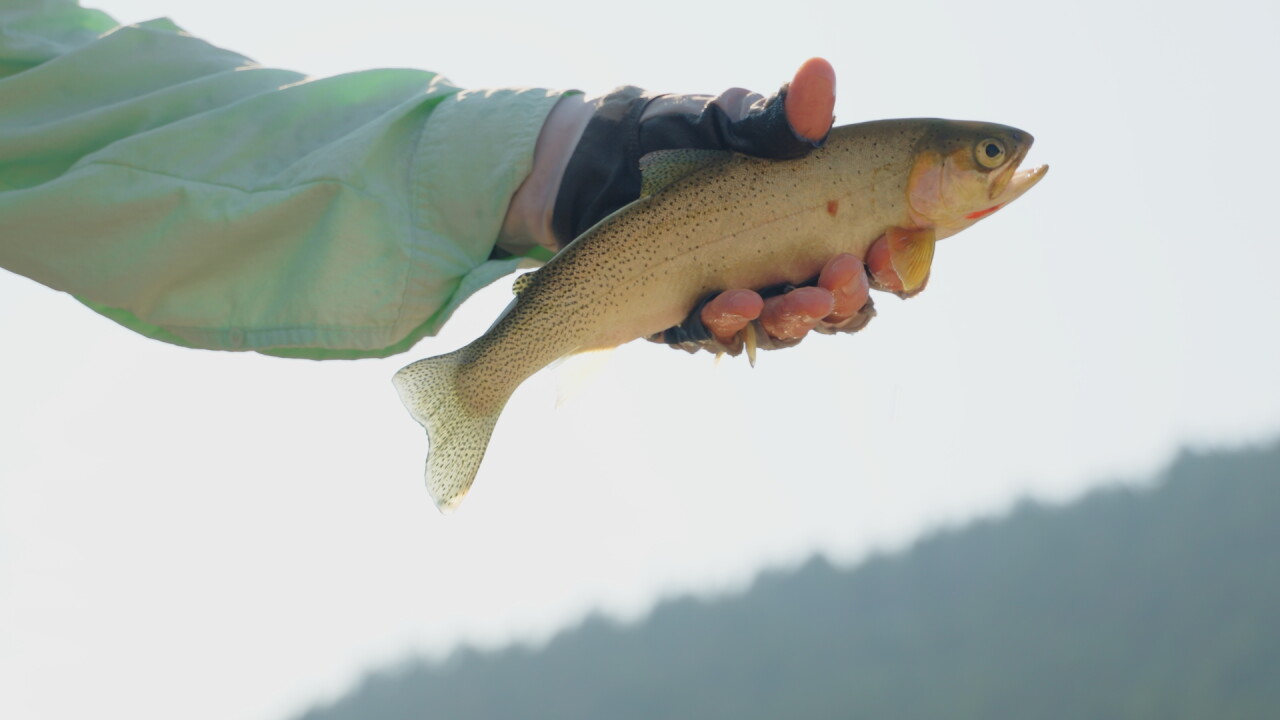

MISSOULA — Covering 40 drainage basins and seven eco-regions, Montana Fish, Wildlife and Parks' (FWP) Statewide Fisheries Management Plan guides action related to the 91 species of fish and the water bodies they rely on.
It's been four years since the last update, so FWP wants to hear from you before finalizing next steps.
“It really is writing down everything we do, what direction we want to go, and get specific into the individual waters and let people have a chance to review it and give us direction," FWP regional fisheries manager Pat Saffel told MTN.
How you can make your voice heard in the updated Statewide Fisheries Management Plan:
Every four years, Fish Wildlife and Parks reassesses its management strategies for fisheries.
There are nearly 100 species of fish in the state, and over half are native populations.
“We do have hatchery-supported fisheries. Wild trout management means that they aren't hatchery-supplemented," Saffel said. "And we focus a lot on habitat and having those wild fish be natural and self-sustaining.”
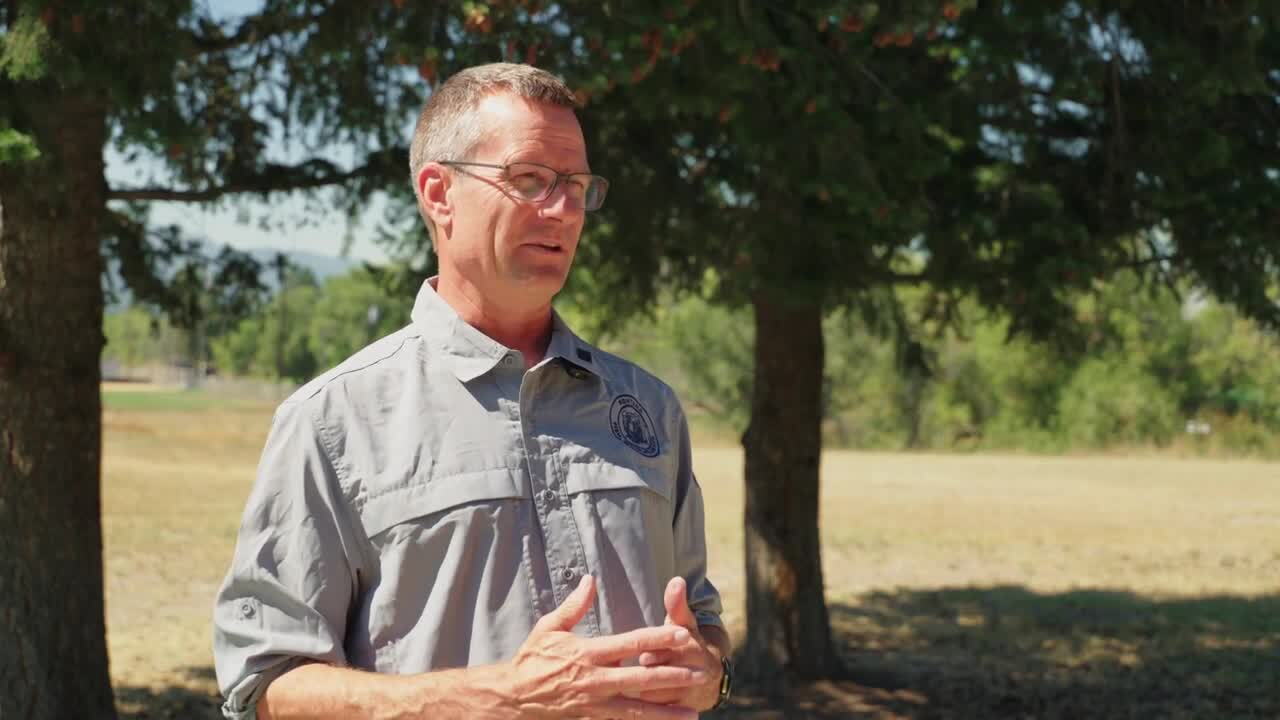
When making potential changes, FWP considers old and emerging issues on a river-by-river basis.
"There are exotic and invasive species. Not all non-native fish are desirable. Like we're seeing northern pike expand and smallmouth bass, and they're adding predation pressure on some of our more desirable fisheries," Saffel said.
For the Clark Fork, there are impacts from Superfund sites which have caused consumption advisories.
"Water temperature becomes an issue as you move downstream. Water quantity is less so. And then you move through Missoula and then down towards Smurfit," Saffel explained.
In the Bitterroot, they’re working on finding a sustainable equilibrium between angling abundance, water levels, and fish populations.
“We’re fortunate to own water out of Painted Rocks and Como, and so that really helps alleviate some of the water quantity issues. We're always watching and trying to figure out the balance between fishing pressure and those native fish," Saffel detailed.
For the Blackfoot, habitat and drought are key concerns.
"We’re annually looking at the amount of water, the water temperature, the health of the fishery, the health of the habitat. And there's a great group of people working together to further conservation in the Blackfoot," Saffel stated.
From policy decisions to conservation projects, FWP is seeking comments from those spending time in the water by September 14. Comments can be sent to fwpfish@mt.gov.
"The fish and wildlife of Montana belong to the people of Montana, and we manage those resources for the public," Saffel said.
To view the plan in its entirety, click here.
