

LEWISTOWN, Mont. — Durl Gibbs has a straightforward explanation for why life is still exciting at 101 years old.
“There’s just not very many guys wandering around working on 102,” he said. “So you got to have a thumbs-up attitude."
The longtime Montana rancher, now living at The Villa assisted living community in Lewistown, competed in Team Penning and Team Sorting on horseback until he was 90 and was inducted into the Montana Cowboy Hall of Fame in 2024.
He still offers advice on the family ranch, Bear Buffalo, whether anyone asks for it or not.
Watch: Veteran Durl Gibbs recounts his WWII experience
“Even now on the ranch, if we don’t ask for it, he’s going to give it to us anyway,” his daughter Clarajean Merrill said.
During a visit with MTN News earlier this week, Gibbs shared stories about ranching, family and a wartime encounter that eventually brought him face to face with a fallen Japanese soldier’s daughter.
A night on Okinawa
Gibbs served with the Army’s 96th Infantry Division on Okinawa during World War II, enlisting right out of high school at 19.
One night in June 1945, he was sharing a foxhole with his sergeant. The two took turns standing watch, allowing the other to sleep.
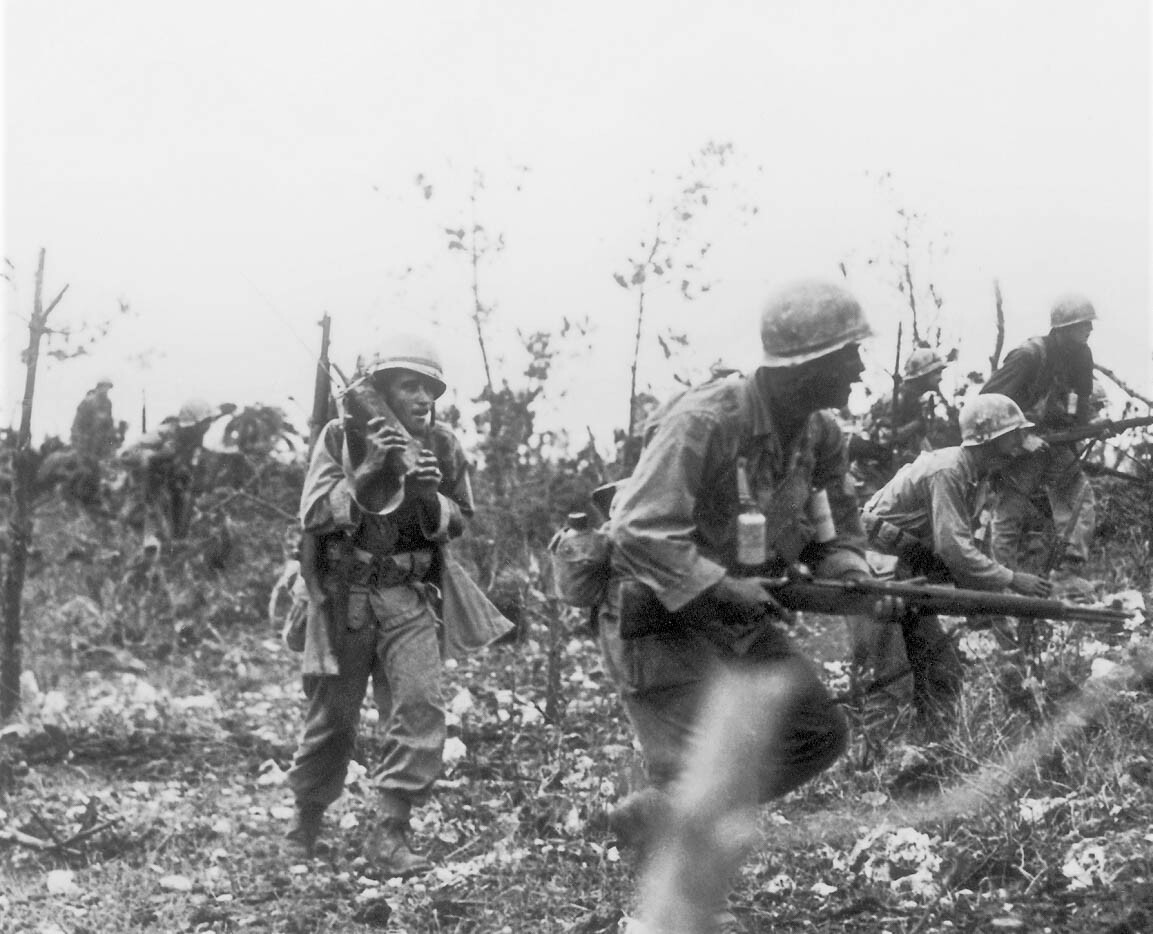
Gibbs had just curled up near his sergeant’s feet when he heard a struggle. A Japanese soldier had reached their foxhole. The encounter ended with the Japanese soldier dead.
“That Japanese soldier gave his life for his country,” Gibbs said. “It was dark. It was a hand-to-hand situation.”
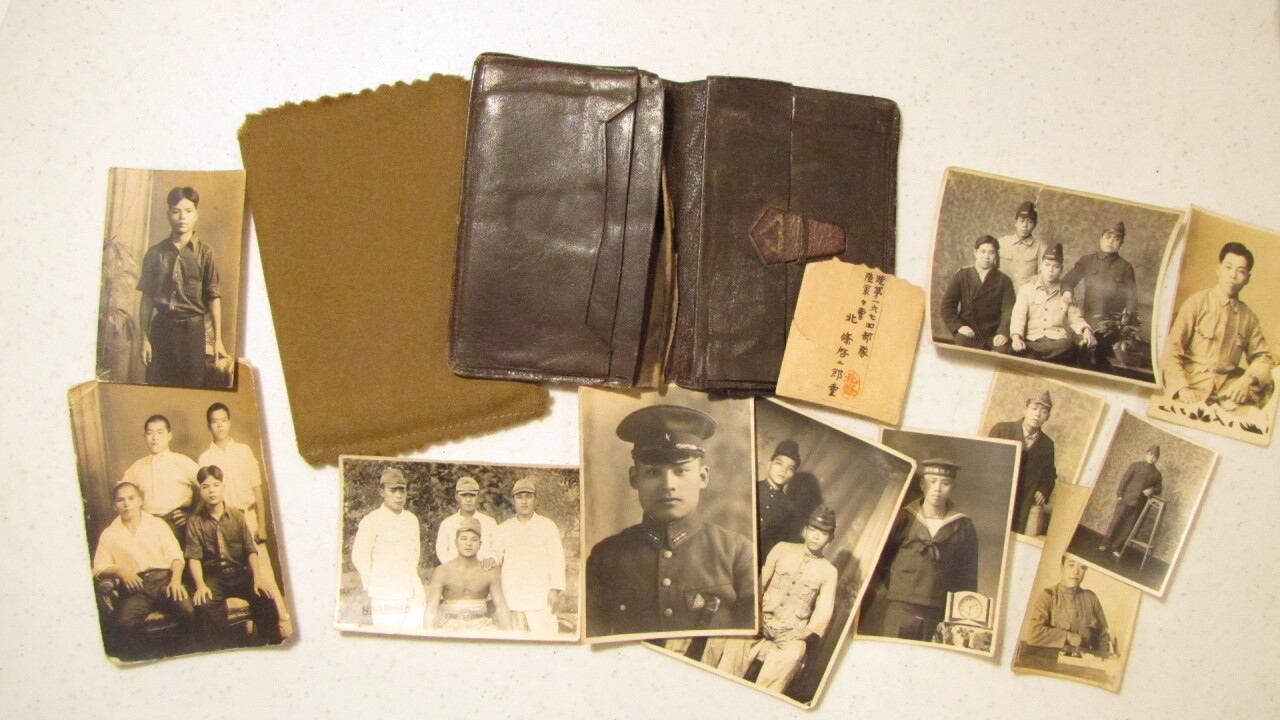
The next morning, Gibbs took the soldier’s pistol. He also noticed something tucked into the man’s breast pocket: a wallet filled with photographs.
He brought it home.
In the years that followed, Gibbs married, moved to Montana and built a life in ranching. He and his wife, Lucille, raised two sons, Lee and Wes, and their daughter, Clarajean.
The wallet remained in his footlocker. His sons would look through its photographs with their friends. Gibbs found himself wondering about the people pictured and the family of the man who had carried it.
“I got to wondering about the Japanese kids in that wallet of photos,” he said.
Finding the soldier’s family
In 2011, Gibbs traveled back to Okinawa with Wes, who had long wanted to see where his father fought.
Gibbs packed the wallet, hoping someone could help locate the soldier’s family.
“Maybe that wallet would mean a lot to them,” he said.
He left it with the Ryukyu American Historical Research Society. The search identified the soldier as Sgt. Keijiro Hojo and located his daughter, Noriko Kikuchi.
She had been 2 years old when her father died. By the time the family was found, she was 67.
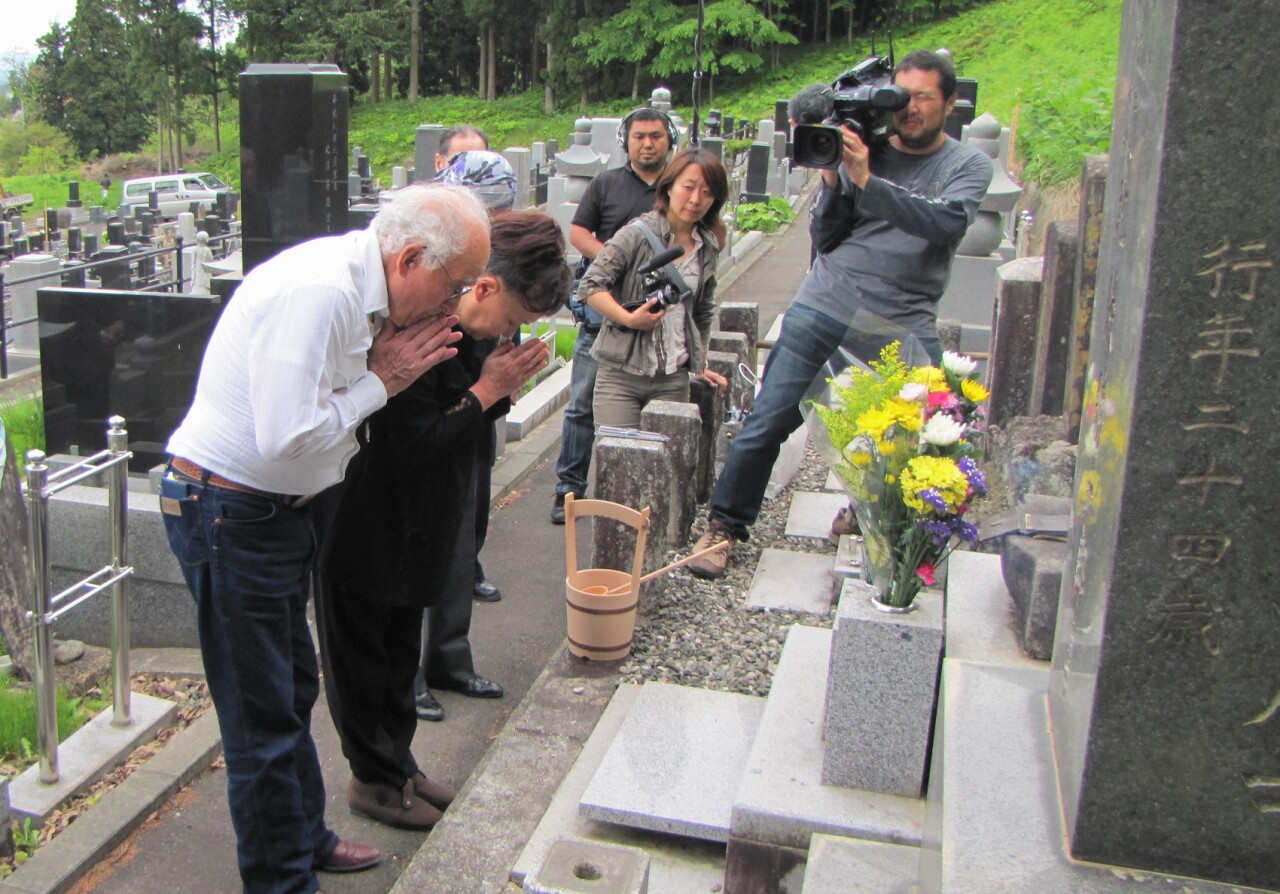
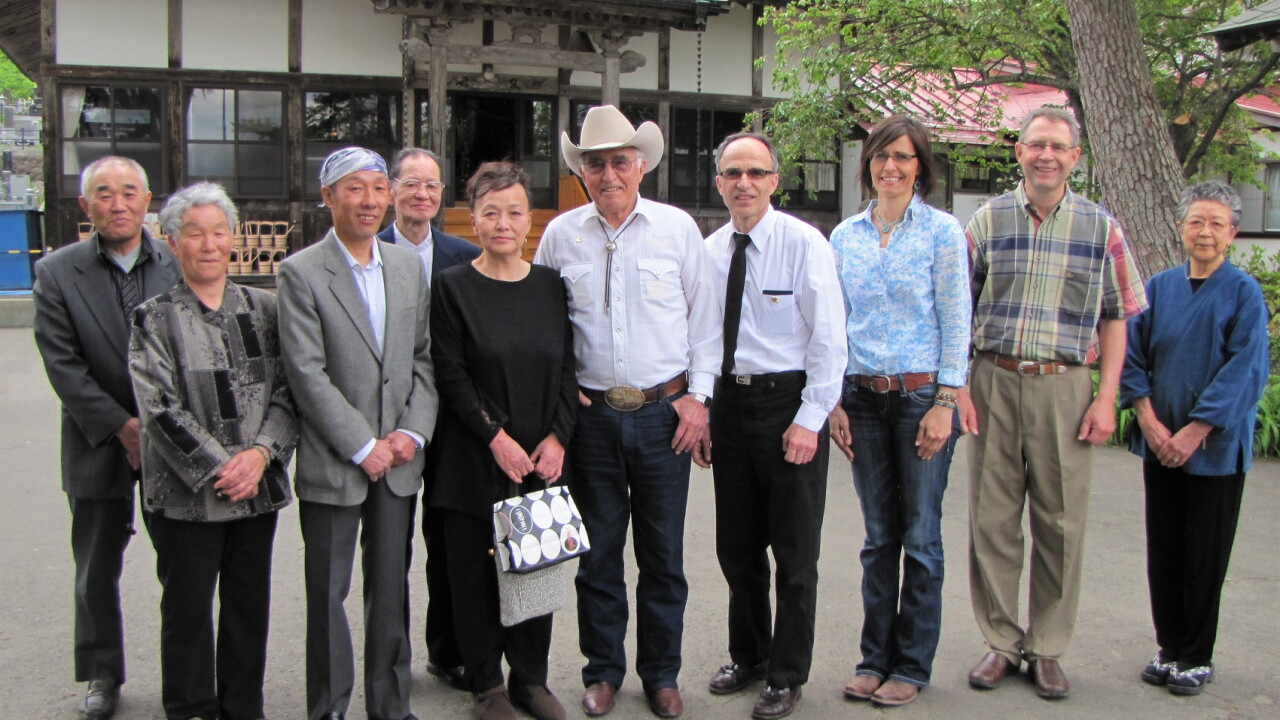
Gibbs was invited to make another trip to Japan and present the wallet himself. This time, all three of his children accompanied him.
Wes also chronicled his father’s wartime experiences and the effort to return the wallet in a book titled "A Soldier’s Journey."
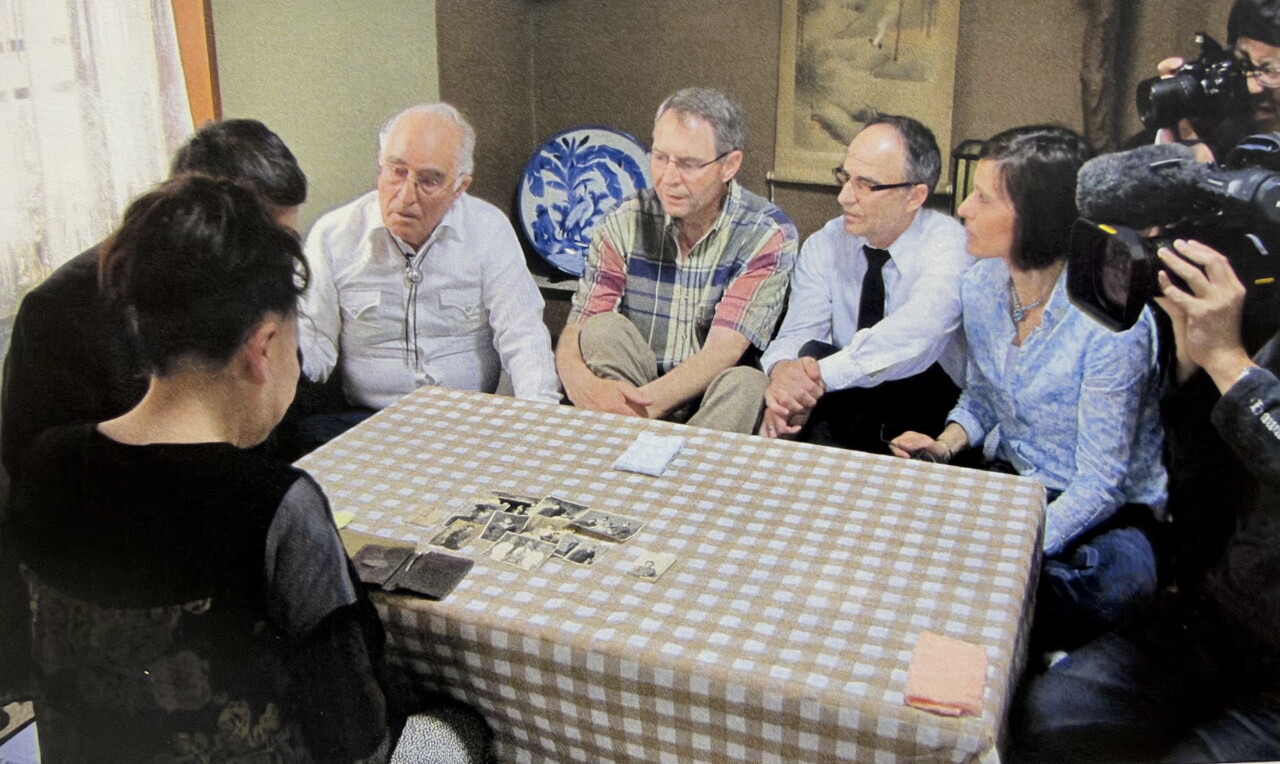
His cowboy hat attracted plenty of attention.
“All the taxi drivers knew, you know, the guy with the cowboy hat,” Merrill said.
But as the meeting approached, the family was nervous. They wanted to respect Kikuchi’s traditions and weren’t sure what to expect.
Inside the wallet, along with the photographs, were clippings of her father’s hair and fingernails. As Kikuchi examined the contents, Merrill thought about everything the two daughters had experienced differently.
“It was an emotional thing because I grew up with my dad and she didn’t have one,” she said.
A connection across decades
Interpreters helped Gibbs and Kikuchi communicate, but Merrill said their expressions revealed a connection beyond their words.
“There was a connection there. And maybe, you know, one of forgiveness kind of too. So that’s what we felt,” she said.
For Gibbs, Kikuchi’s willingness to welcome him remained deeply meaningful. He described himself as someone who “had a hand in the termination of her father that she never got a chance to know.”
Kikuchi took the family to her family’s shrine, where she wanted the wallet placed so her father’s spirit could be there, too.
Gibbs believes the Lord helped guide the events that brought them together. A wallet he had kept for decades was finally back with the soldier’s daughter.
“It really made me feel good,” he said. “It changed her life.”
And, he added, “It kind of changed my life too.”