


HELENA — For more than 70 years, white markings have stood along Montana highways, identifying the places where lives have been lost in crashes. Behind each one is a group of volunteers with the American Legion of Montana who build, place, and maintain these memorials year after year.
Watch the full story here:
“They're not a shrine. They're a marker for safe driving," said Brian Carpenter, vice commander for the American Legion Department of Montana. "One more loss is too many, so that’s why the program came into existence.”
The first of these markers went up in 1952. Now, more than 2,500 of those white markers dot Montana's roadways, kept standing through volunteer work, donated materials and local fundraising efforts.

For Carpenter, this program hits close to home.
“I’ve had two relatives that have passed away on Montana highways," Carpenter said. "It’s personal to me when I drive through that area and I see those markers, and they remind me of who they are and how their accident happened.”
Across the state, 118 American Legion posts take part in the program. When a fatality is reported, volunteers track the location, log it, and get a marker made.
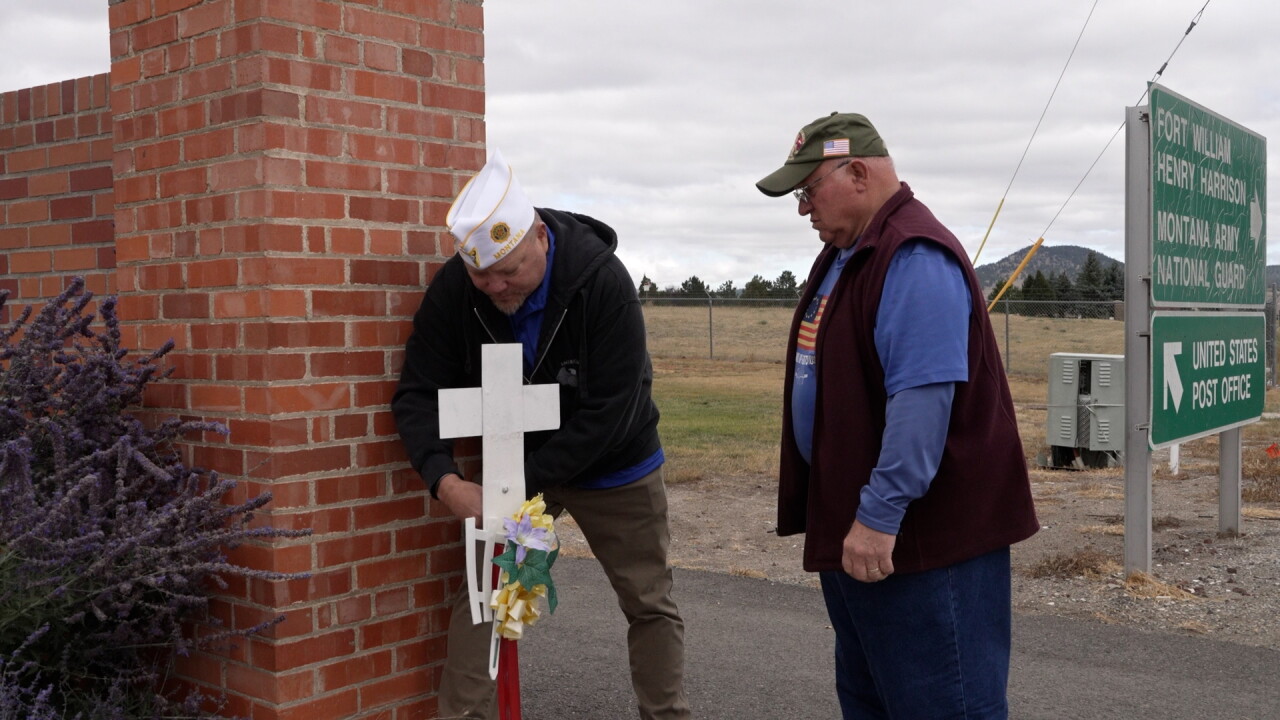
“If we know that one’s happened right in our close area and know where it is, we'll get out there and get it put up as soon as we possibly can,” said Walter Joyce, a member of American Legion Helena Post 2.
The volunteers doing the work say it’s their duty to help.
“To carry on that legacy [and] bring awareness to safe driving around the state is very important to me,” Carpenter said.
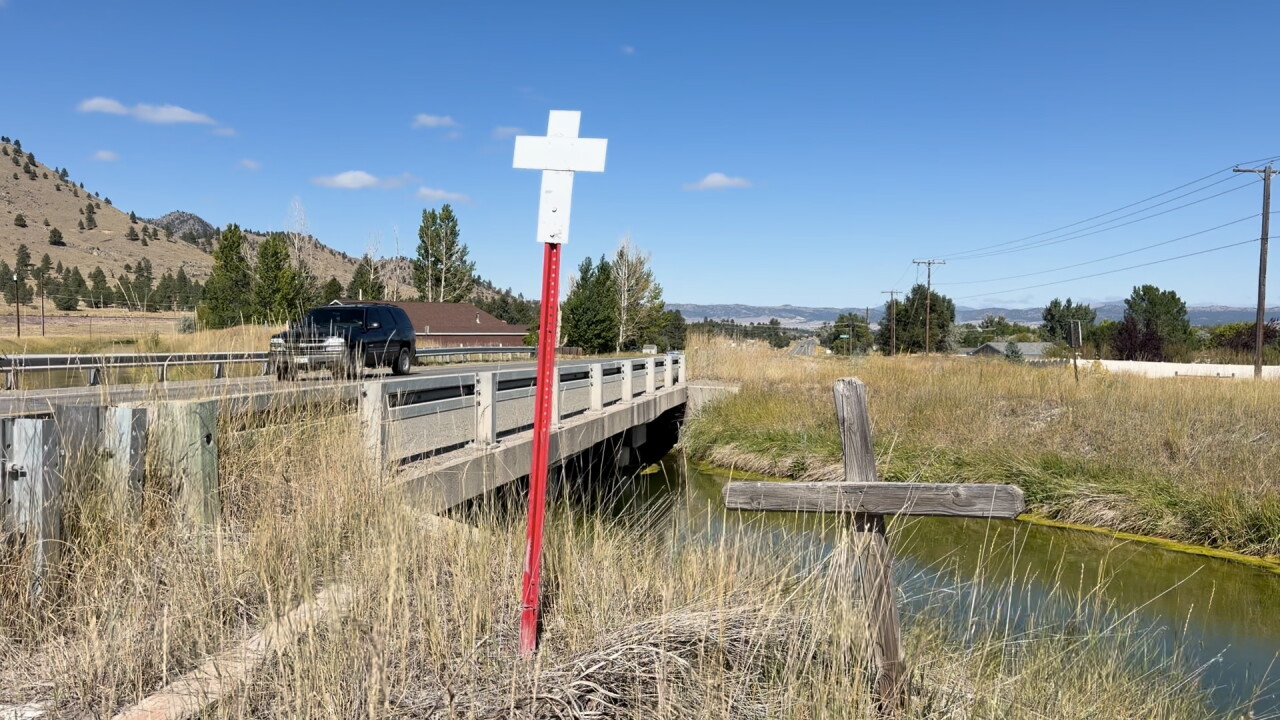
“It’s a family member to somebody," Joyce added. "We may not know them, and usually we don't know them.”
The American Legion maintains an online map where anyone can find markers by county or statewide. For those going to place items at the site of a loved one's crash, the program asks that nothing be placed covering the white marker itself so the safety message stays clear.
“Accidents happen, and deaths happen," Joyce said. "Try to do your best to not be one of them.”
Volunteers say these markers are more than memorials. They’re also meant to catch a driver’s eye — a simple, visible reminder of what can happen on the road, and a warning to slow down and help prevent the next tragedy.
