

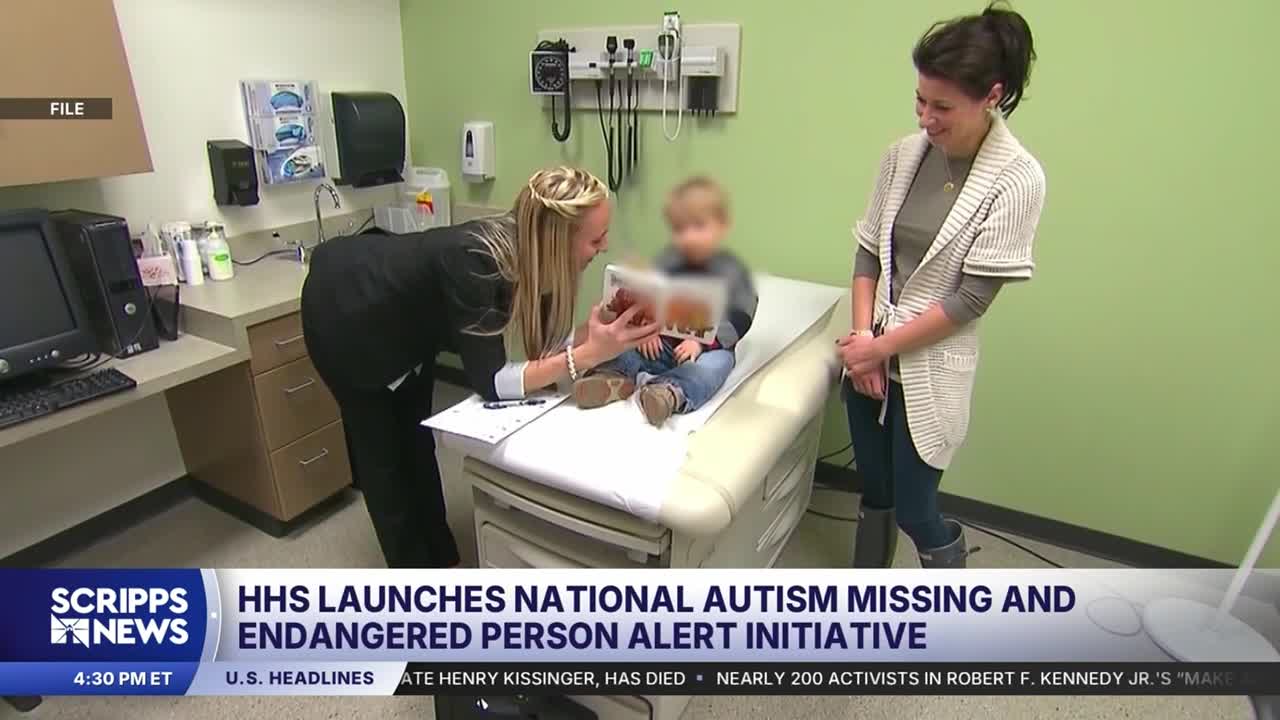


The Department of Health and Human Services announced the launch of the first National Autism Missing and Endangered Person Alert initiative. The effort, led in partnership with the Department of Justice and the Federal Emergency Management Agency, aims to improve coordination when autistic individuals are reported missing.
The initiative seeks to establish national best practices for emergency response and prevention. Officials said accidental drowning linked to wandering and elopement is a leading cause of preventable injury and death among autistic individuals.
“When an autistic child or adult goes missing, every minute matters,” Health and Human Services Secretary Robert F. Kennedy Jr. said. “President Trump has made improving the lives of Americans with autism and their families a priority. We are bringing federal, state and local partners together to improve prevention, speed the response, and help bring autistic children and adults home safely.”
The Interagency Autism Coordinating Committee also approved recommendations related to screening, wandering prevention guidance and autism research priorities.
RELATED STORY | New federal disability policies spark fears of institutionalization
HHS said the initiative is intended to improve preparedness, speed response times and help safely recover missing autistic individuals.
The Centers for Disease Control and Prevention estimates that 1 in 31 children in the United States has autism. HHS said about half of autistic children engage in wandering behavior at some point.
HHS estimates that an average of eight children with autism die each month because of wandering-related incidents. Most of those deaths involve drowning.
The Trump administration said implementation will depend on state and local governments adopting the framework.
Officials said families should immediately call 911 if a child goes missing and provide dispatchers with relevant information. HHS also said families of children who are prone to wandering should consider GPS or other location-tracking devices as part of a broader individualized safety plan.
RELATED STORY | New review finds no clear link between Tylenol use in pregnancy and autism or ADHD
