



HELENA — Republican Randy Pinocci has held a seat on the Montana Public Service Commission – the state’s main utility regulatory body – since 2019. Now, he’s termed-out, and two candidates are competing for the Republican nomination to succeed him.
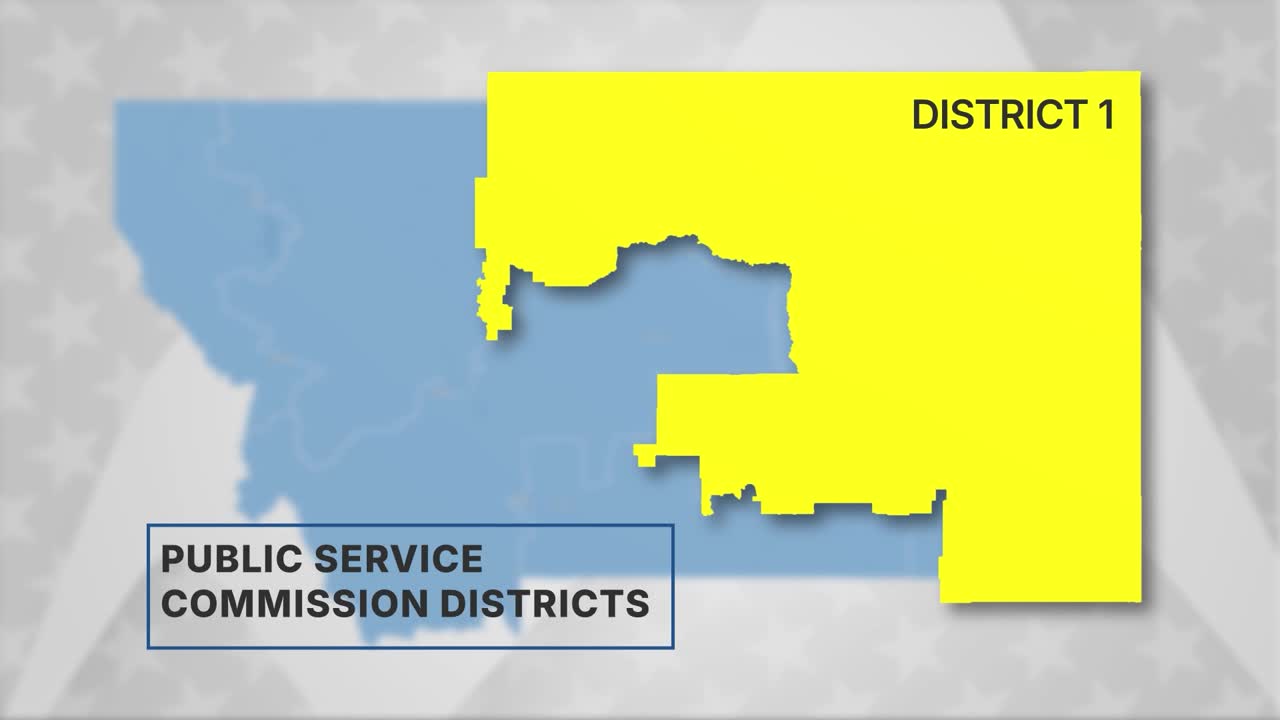
Jeff Pattison and Jeremy Trebas are both running in the GOP primary for the PSC’s District 1 – by far the largest in the state, it covers much of northern and eastern Montana, including parts of Great Falls and Billings.
(Watch the video to hear from the Republican primary candidates.)
Pattison is a farmer and rancher from Valley County who served two terms in the Montana House in 2001 and 2003. He says he’s continued serving the public on the local level since then, but he decided to get back into state politics to represent the concerns agricultural producers and other voters across the district have about rising power prices.
“There's just a whole world of experience that I feel like I can bring to the table and help relate to people that are in those same situations,” he said. “I don't think there's anything I can't talk to anybody about. I feel transparency is a very big virtue or issue that I have; I don't have secrets.”
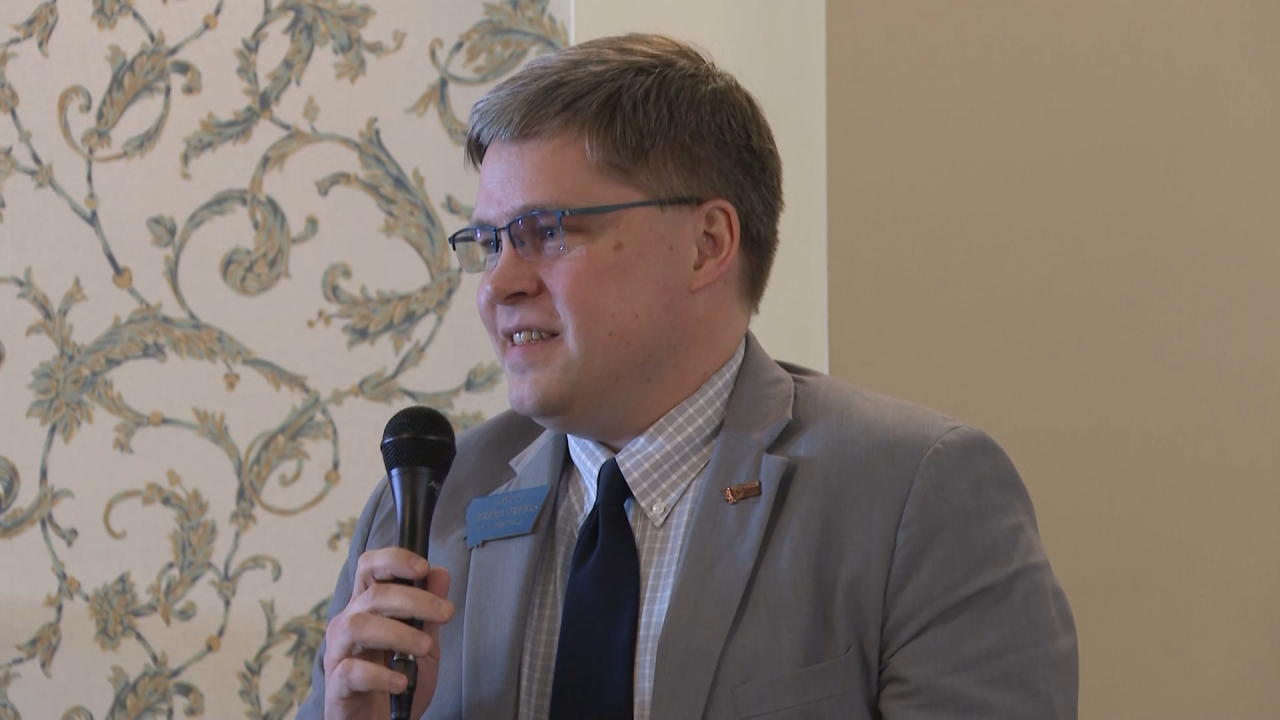
Trebas is a current state senator from Great Falls. He works as a certified public accountant, both for a local hospital and with his own tax preparation business. He says he can put that financial experience and the relationships he’s built in the Legislature to work on the PSC.
“The law directs the PSC to do ratemaking, and they do that through the ARMs [Administrative Rules of Montana], and a lot of that is looking at financial statements of the company so they can determine an appropriate return on investment – which ultimately becomes prices that we pay.”
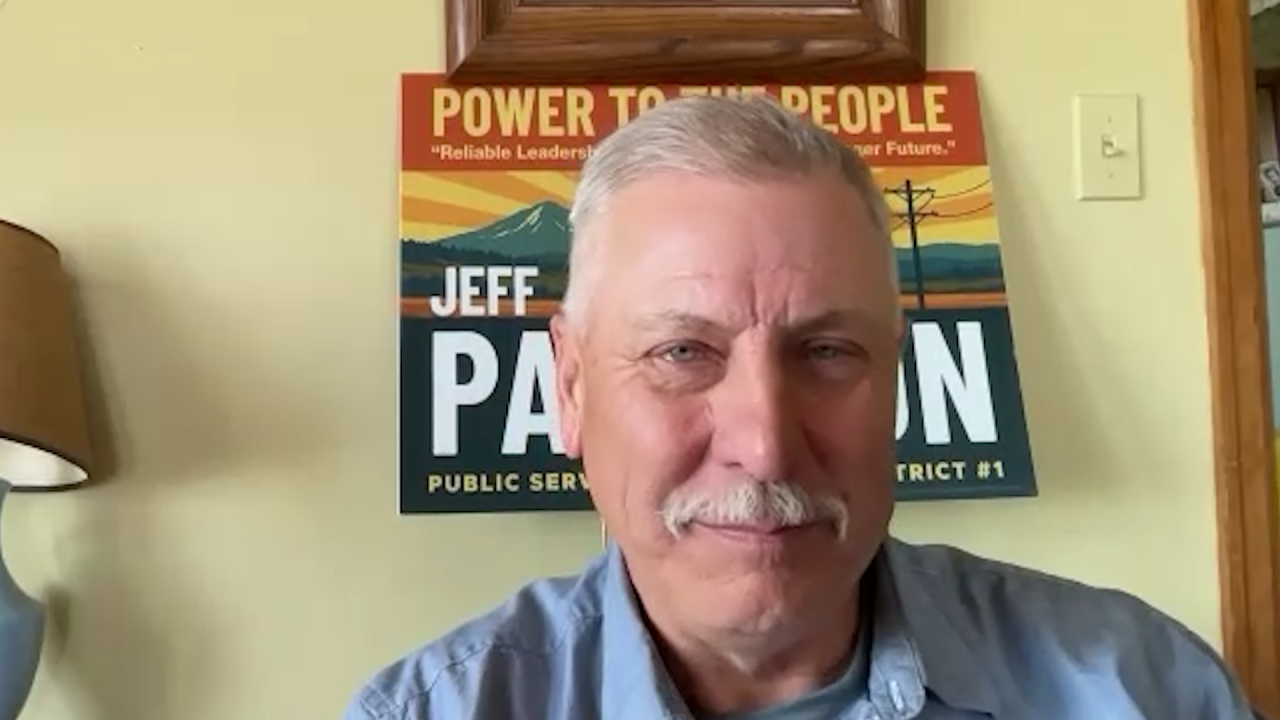
The PSC is a quasi-judicial body, meaning it behaves in someways like a court – and commissioners are required to act impartially when making decisions. Pattison says, because of that, he’s careful about what he’s saying during the campaign – but he says he wants to make clear he has concerns about data centers passing on costs to other customers and using resources.
“If it's going to take your water from farms, ranches, cities, municipalities, whatever, and give it to a data center or pollute the water for a data center, that's a hard no for me,” he said. “Honestly, if that makes me ineligible to vote on something, then so be it. But I can't, and I will never, compromise on that.”
Trebas says he’s also hearing a lot of questions about data centers, and he wants to make sure they don’t negatively impact other ratepayers. He believes the public interest in issues like data centers could be a good thing for the commission, by driving the public to get more invested in PSC elections.
“I think you really have to find a balance – that's the job of the PSC, is finding the balance between the appropriate return on investment for the company providing services and the ratepayers who have to pay for those services,” he said.
Pattison and Trebas both say they’re frustrated with infighting on the PSC, which they believe is distracting from the work the commission should be doing.
Trebas says one of the things he hears most from voters is a desire for more “professionalism” on the PSC.
“I'm not pointing fingers; I'm just saying I think there's some professionalism that's lacking,” he said. “I think I'm pretty low-drama, so I'd be able to work with everyone and really try to stay in my wheelhouse of influence when it comes to doing my job.”
Pattison has spoken at several PSC meetings in recent months, saying he didn’t believe Commissioner Brad Molnar was getting fair treatment as he faced potential disciplinary action. He says the commission now needs people who can be “bridge-builders,” to help overcome this period of turmoil.
“We're talking about mergers and we're talking about rates increases and everything else on there – I think that's what we need to get back to, what they were elected to do,” he said. “What's going on now maybe should have been behind closed doors.”
Both Pattison and Trebas say they’re opposed to the Legislature converting the PSC from an elected body to an appointed one, saying it’s better to have commissioners directly accountable to the people who their decisions affect.
Regardless of who wins the Republican primary, we know the other candidate who will be on the general election ballot in November: Angeline Cheek, a community organizer and indigenous rights advocate from Brockton, is running unopposed in the Democratic primary.
