

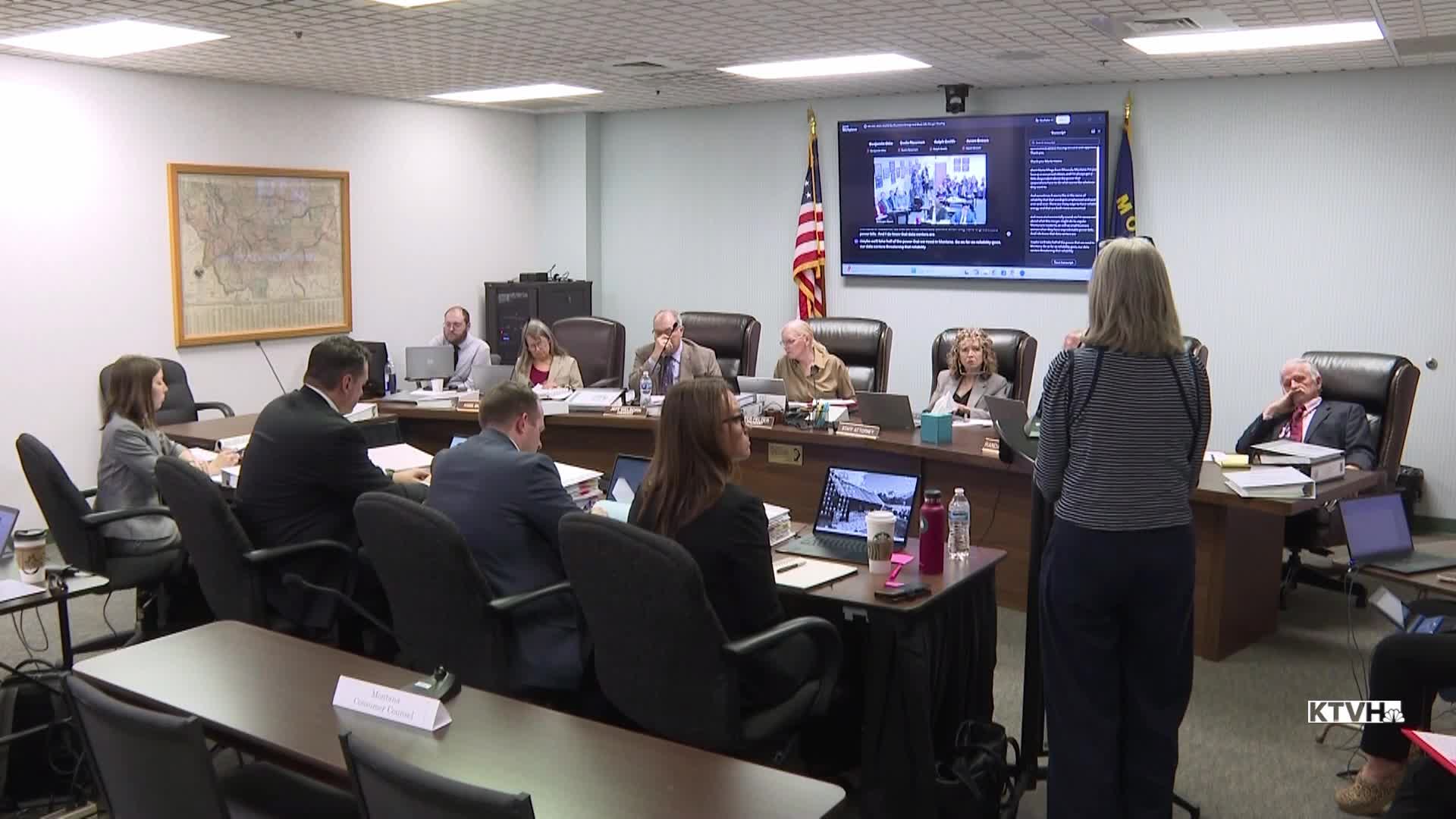



HELENA — Montana’s energy landscape could be about to undergo a major change, as the state’s largest utility seeks to merge with another company. Now, the Montana Public Service Commission has begun a four-day hearing as it considers whether to allow the merger to move forward.
While NorthWestern Energy is a dominant player in Montana, the company says it’s relatively small on the national scale. Leaders have argued that combining with South Dakota-based Black Hills Energy will put them in a better position to provide reliable and affordable energy.
“This merger delivers stability without risk, benefits without burden, and progress without compromise,” Sarah Norcott, NorthWestern’s director of regulatory corporate counsel, told commissioners Tuesday.
(Watch the video to hear more from the first day of the PSC's hearing.)
NorthWestern and Black Hills announced last summer that their parent companies would merge to form a $15.4 billion electric and natural gas utility. The new holding company will be called Bright Horizon Energy Corporation, will be headquartered in Rapid City, South Dakota, and will serve about 700,000 electrical customers and 1.4 million natural gas customers across eight states. NorthWestern CEO Brian Bird will remain CEO.
NorthWestern stockholders will own about 44% of the new company, and Black Hills stockholders will own the remaining 56%. The two utilities will continue to provide service under their current names.
According to national reports, NorthWestern shareholders approved the merger plan last month.
Company leaders said NorthWestern and Black Hills are of comparable size, have similar values and complement each other geographically, so they’re good partners for a merger.
“The merged company will be better equipped to weather market volatility and support long‑term infrastructure investment,” Norcott said.
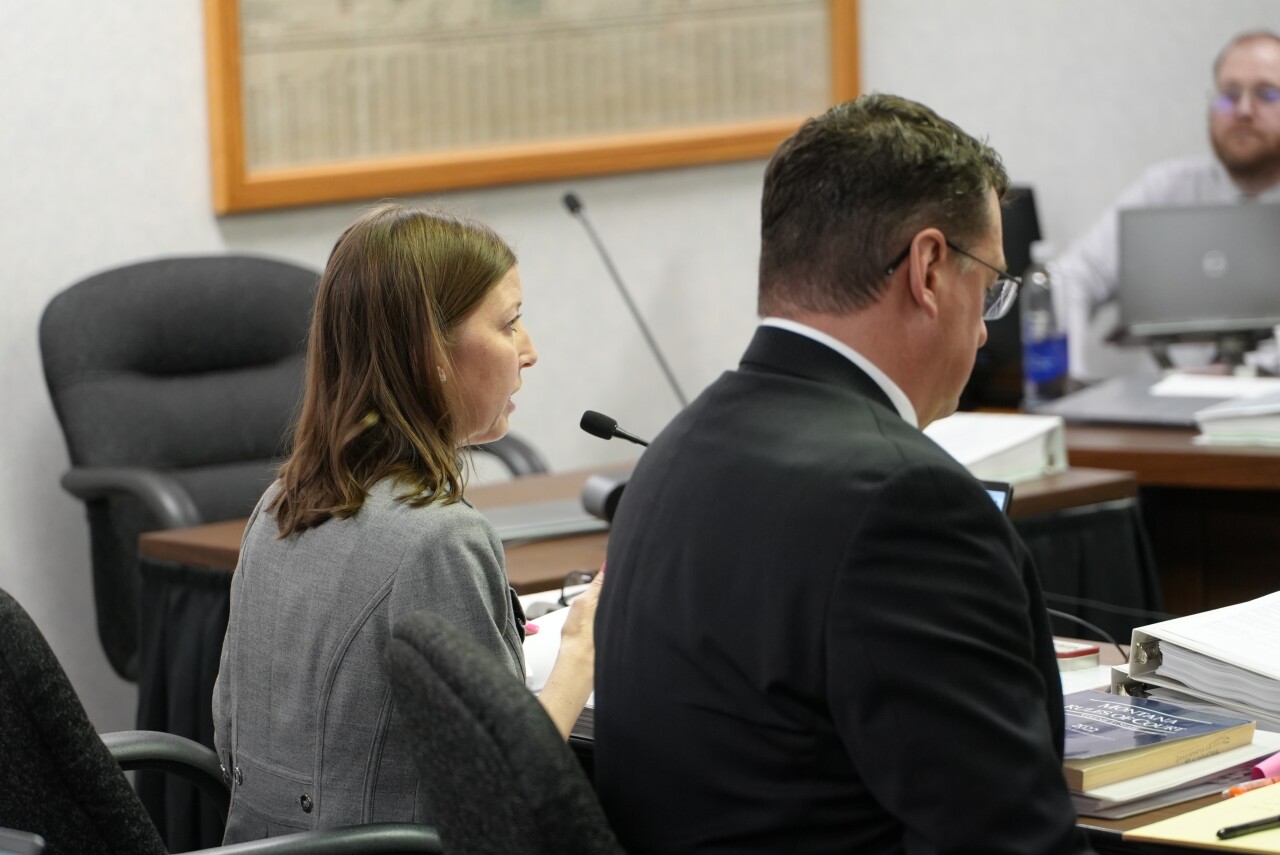
In the days before the hearing, NorthWestern announced it had reached settlement agreements with most of the parties that had sought to intervene in this case. That included an agreement with the Montana Consumer Counsel and a group of large industrial businesses, in which those groups agreed not to oppose the merger in exchange for guarantees from the companies – like promising they wouldn’t seek to recover costs leading up to the merger by increasing Montana customers’ rates.
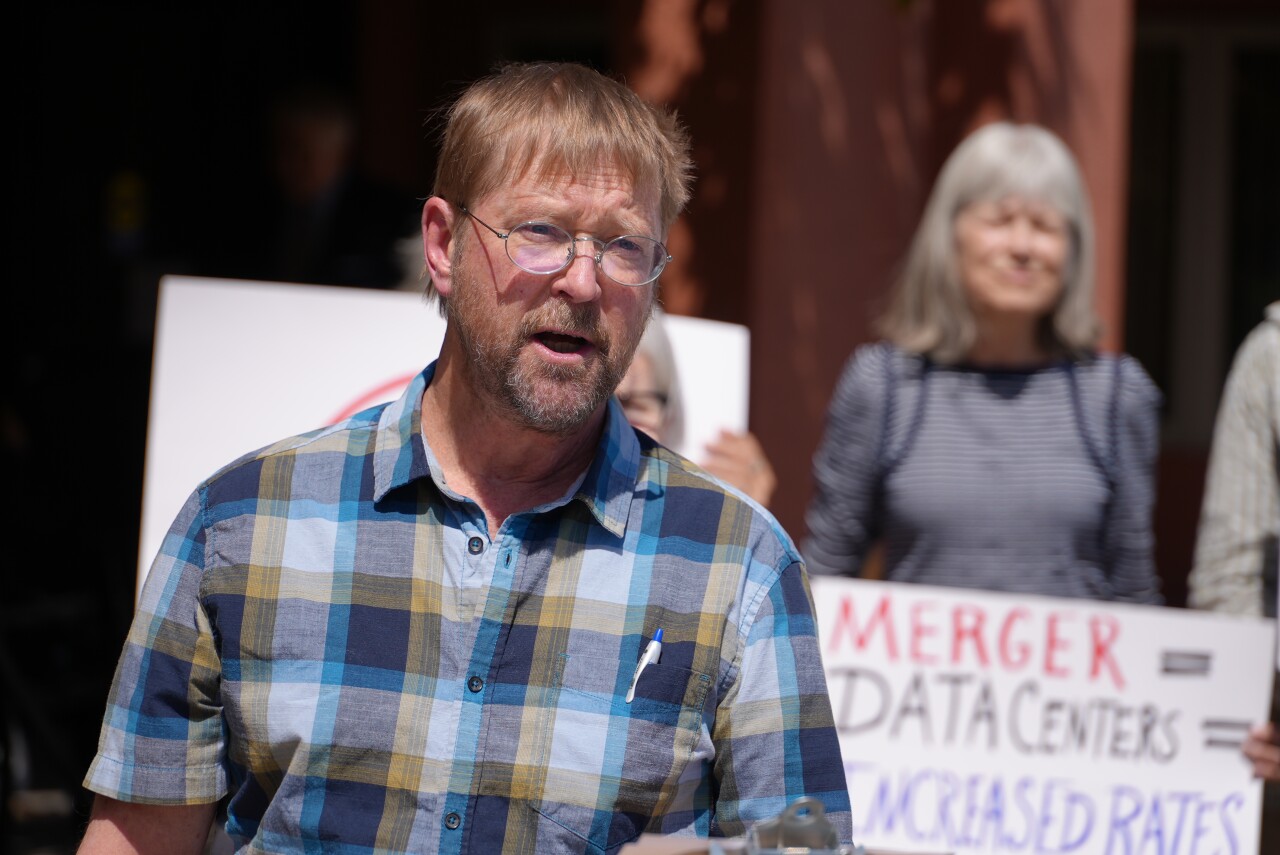
One of the only remaining parties that didn’t settle with NorthWestern and is still opposing the deal is 350 Montana, a climate action organization encouraging a transition away from fossil fuels. Several of the group’s members held a news conference outside the PSC offices after the first morning of the hearing.
“We're very concerned that this merger is truly all about data centers in Montana, and the exploitation of our energy resources, our water resources, our labor resources, and our control over our own energy future,” said 350 Montana co-chair Jim Parker.
Parker said opponents feel the companies haven’t provided enough information about their plans after the merger, including whether it could lead to cuts in their Montana operations. He said Montana will have less of a voice in a larger company than it does with NorthWestern now.
However, the most common concern Parker and other opponents raised Tuesday was the merger’s effect on data center development in Montana. They cited quotes from NorthWestern leaders saying the new company would be in a stronger position to capitalize on interest in building data centers, and said they worried that development won’t benefit existing ratepayers.
“Every other state in the nation that has data centers now, their rates are going up,” Parker said. “Promises were made to them that, no problem, nobody's going to be harmed. And yet there are absolutely no guarantees or factual basis for NorthWestern Energy to claim that ratepayers won't see increased rates as we go down the road.”
NorthWestern said this proceeding shouldn’t be focusing on data centers.
“Do we expect the merger will allow us to effectively serve new large loads? The answer is yes,” said Norcott. “Was it the primary reason that NorthWestern and Black Hills decided to merge? The answer is no. Questions about service to data centers will exist whether this merger is approved is not.”
The company’s plan for serving “large load” customers like data centers will be part of another proceeding before the PSC later this year. However, opponents argued those questions should be answered before the merger decision, not after.
There were also public comments Tuesday in support of the merger, including from business groups. Charles Robison, general counsel of the Montana Chamber of Commerce, said the deal could help utilities get access to financing for the big projects they need to continue meeting growing energy needs in Montana.
“It really has an eye toward, how do we expand generation, how do we expand transmission, how do we get more resources to provide that electricity – which ultimately makes it more reliable and brings down the costs,” he said.
Robison said, because of Montana’s history, it’s understandable if people are reluctant to trust a big transaction like this will be good for the state.
“Montana Power made some big mistakes in the past,” he said. “The people running NorthWestern Energy are not the same people that drove Montana Power into the ground. They are people who are focused on Montana consumers and Montana businesses and providing stable, reliable electricity here in Montana.”
The PSC is tasked with deciding whether the proposed merger meets three tests: it’s in the public interest, it won’t harm customers, and it will be a net benefit. Their hearing is expected to last through Friday afternoon, though they’ll take no decisions until a work session later on in the year.
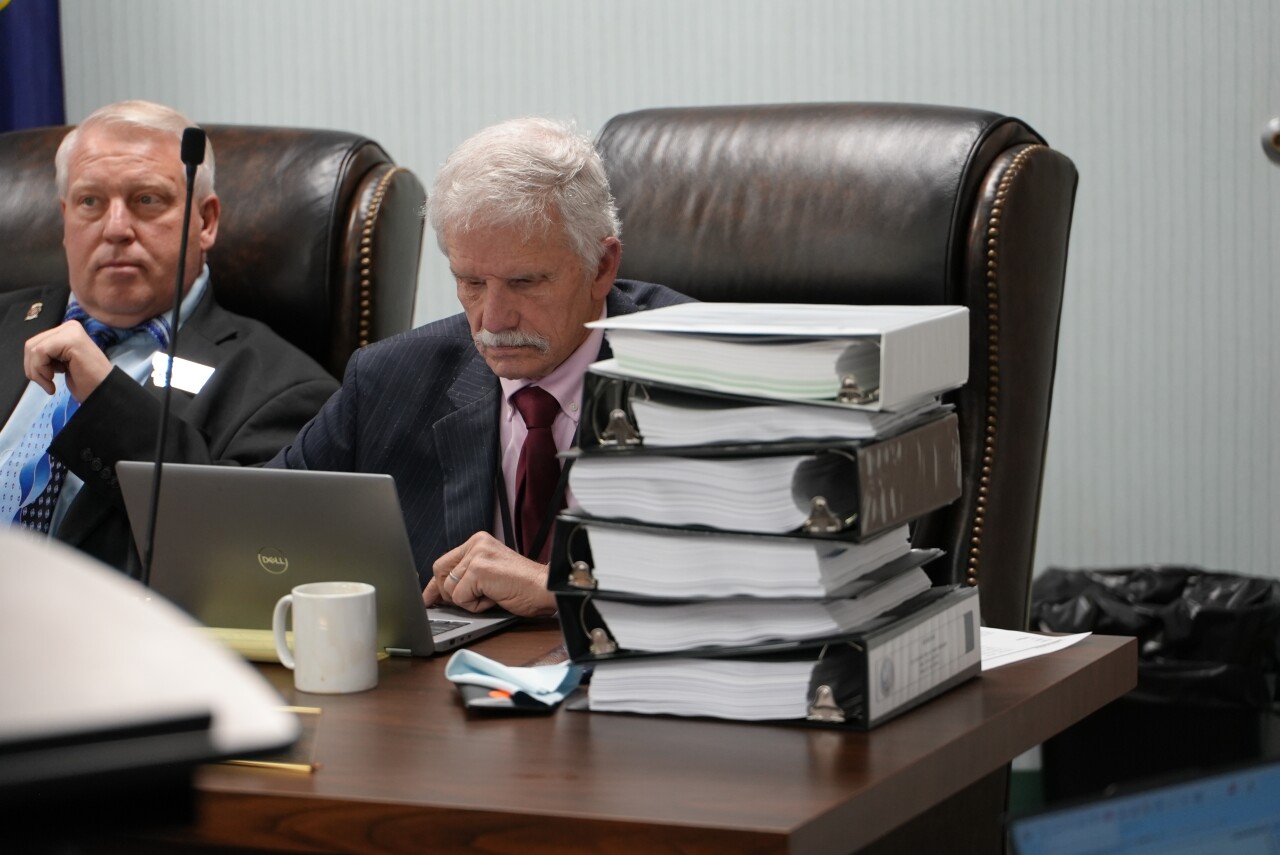
All five commissioners were on hand for the hearing Tuesday, including Commissioner Brad Molnar. On Monday, Molnar filed a case in federal court, asking a judge to block the PSC’s vote last week that required him to work remotely, after an investigation into complaints about his conduct in the workplace. He claimed the other commissioners had retaliated against him for constitutionally protected speech, and argued he couldn’t effectively take part in the hearing remotely.
Judge Donald Molloy issued a temporary restraining order late Monday afternoon, saying Molnar had “raised serious questions” and directing that he be allowed to participate in person.
“On the one hand, Defendants seek to exclude Molnar’s physical presence in the building because of his alleged inappropriate behavior,” Molloy wrote. “On the other hand, an elected official has been physically barred from attending a major hearing regarding the future of one of Montana’s largest utility companies. Permitting Molnar to attend and participate in that hearing—and no more—strikes an appropriate balance given the short time frame and the matters at stake.”
