



BROADVIEW - Data centers are increasingly looking to Montana, drawn by a skilled workforce, vast open land, and a property tax rate of less than one percent.
Now, a proposed artificial intelligence data center near Broadview, a town of about 130 people in rural Yellowstone County, is placing that national trend squarely in the spotlight.
“It’s kind of a bedroom community,” said Duane Swartz, owner of the Homestead Inn.
Watch: What residents think of a proposed massive AI data center in one rural Montana community
Located along Highway 3, Broadview is a quiet agricultural town where, Swartz said, “Most people either ranch here or travel to Billings to work.”
Plans are underway for a massive, 5,000-acre AI data center development just outside town, a project years in the making that aims to attract major tech companies like Meta, Apple, and Google to power AI tools used nationwide.
“They say it’s going to bring people in here to live,” Swartz said.
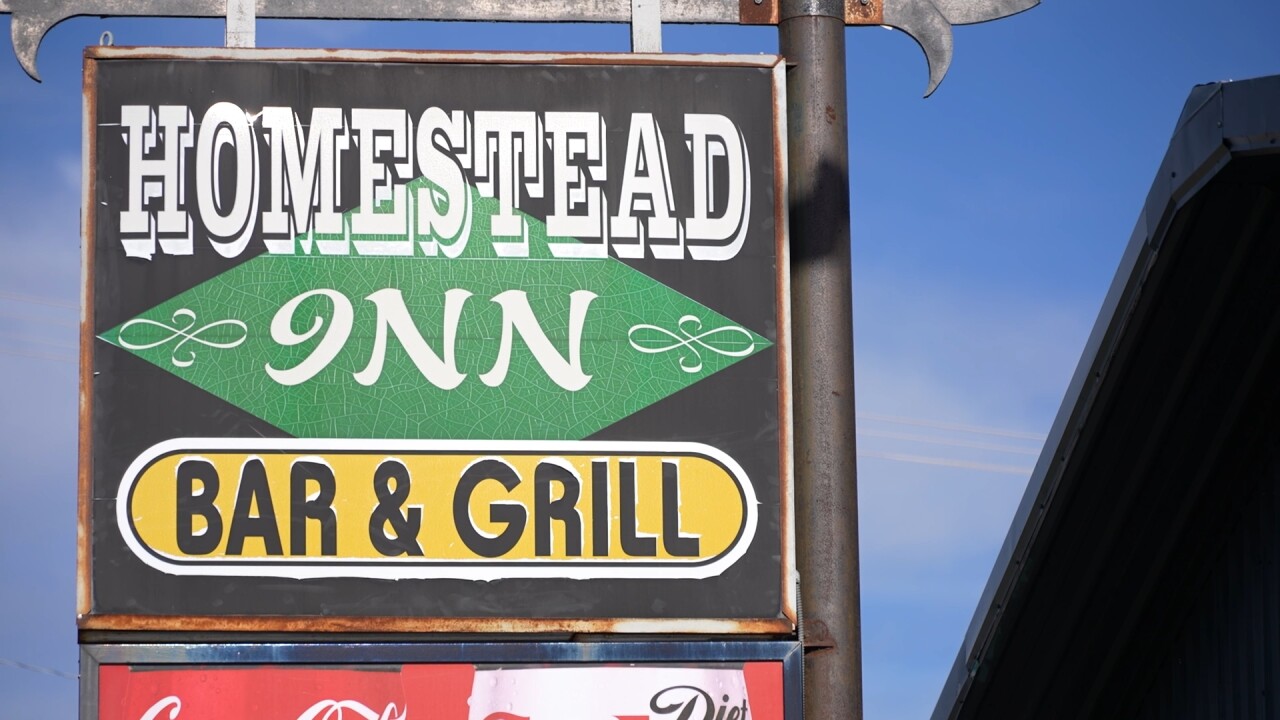
At the Homestead Inn, the town’s only restaurant, residents regularly gather to talk about what the project could mean for their community.
“The town doesn’t really have the infrastructure to build much more here,” Swartz said.
Swartz said he’s watched technology projects come and go, but believes this one feels different.
“All the big companies, they make their back door deals, and that’s what they do,” he said. “America is pushing to be more AI-dominant, and these people are pushing for it.”
For now, the proposed site remains an open field.

Broadview area resident Cari Olson said rural towns like hers often face these developments with little warning.
“This is how these data centers work,” Olson said. “They go to rural towns and put the data centers there because they don’t get a lot of pushback.”
Olson said she’s concerned about water use, noise, and tax incentives for large tech companies.
“They quietly bought the land, so they didn’t alarm the community,” she said.
She’s calling for greater transparency before the project moves forward.
“I want you to be open and transparent… how much water you’re going to use, how much energy you’re going to use,” Olson said. “If it’s going to cost us money. I don’t think a billion-dollar industry needs less than one percent property tax.”
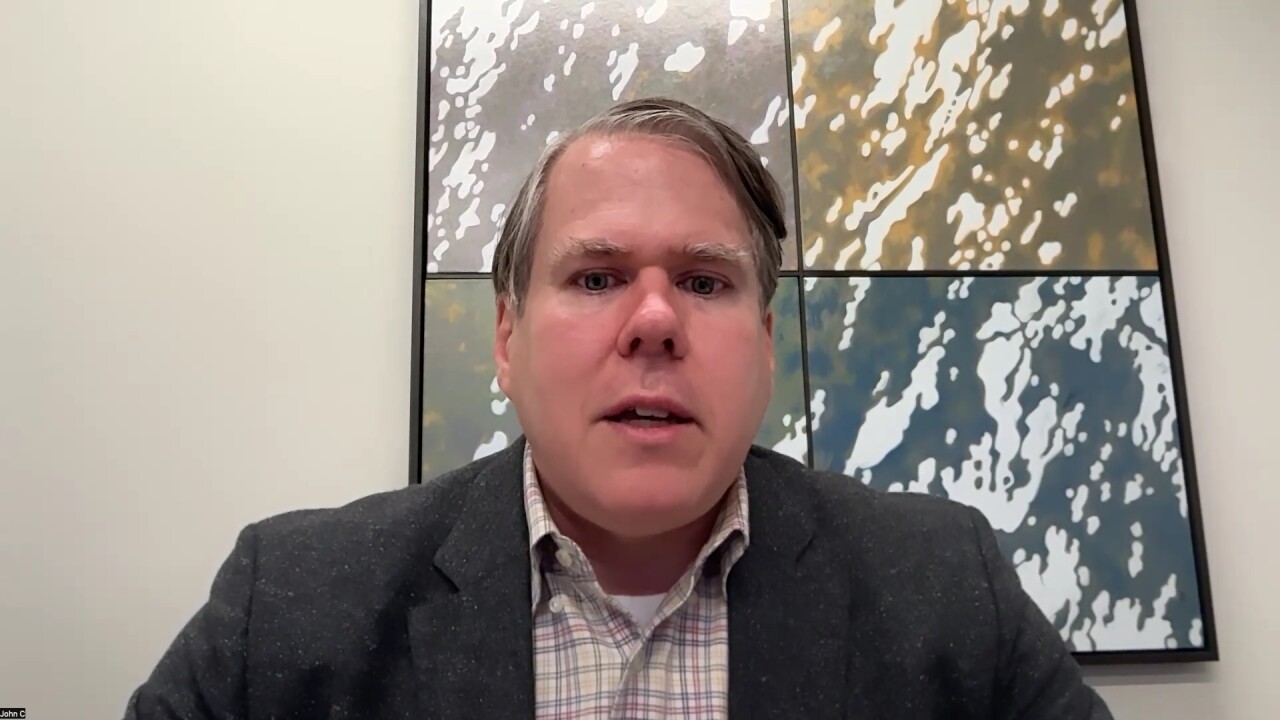
Quantica, the company behind the proposal, said it has designed the project to address those concerns.
“We wanted to be a champion for the state of Montana,” said John Chesser, Quantica’s CEO.
Chesser said the facility will use closed-loop cooling systems drawing from deep aquifers, limit noise through design, and generate its own electricity to avoid straining Montana’s power grid.
“The market is rapidly evolving to this bring-your-own-power model,” Chesser said.
That power, he said, could come from small-scale nuclear reactors, a reliable alternative when wind and solar are not producing energy.
“Those can be built anywhere in the state, and the power can be brought into the Broadview area,” Chesser said.
Chesser also said the company is mindful of past projects that failed to deliver on economic promises.
“We are very sensitive to the experiences others have had, promising benefits to the state and not delivering,” he said.
While economic projections have not yet been finalized, Quantica said the project could bring high-paying jobs and expand Montana’s energy infrastructure.

Back at the Homestead Inn, Swartz sees at least one clear benefit.
“I am the only restaurant in town,” he said. “If it does come through, it should benefit me in that manner.”
On slower days, that could make a difference.
“That would be good to get more business in,” Swartz said.
But Olson said growth without trust is not progress.
“Be open and transparent. Be the neighbor you want us to be for you… because right now, you aren’t,” she said.
