


HAVRE — In recent years, limited processing capacity has posed a challenge for Montana producers. But one producer-led cooperative in Havre is working to change that.
Montana Premium Processing Cooperative (MPPC) is a USDA-certified, member-owned meat processing facility designed to give producers more reliable access to slaughter and processing space. The plant processes beef, bison, hogs, and sheep.
Madison Collier reports - watch the video here:
MPPC operates under a co-op structure, meaning it is owned and directed by its producer members.
Bill Jones, who has worked at the facility since it opened three years ago, says the model was intentionally structured to protect access for members, while still taking care of non-members.
“The beauty of being a member of the co-op is that they are entitled to up to 30% of available hook space,” Jones said. “No one producer can take more than that… it protects the rest of the members from someone dominating all of the spaces.”
That guarantee offers stability in an industry where some producers previously faced year-long waitlists at other facilities.
“A lot of these places they were going to, they had to be scheduled a year or more out,” Jones said. “So they’re guaranteed their spots here, which is huge.”
In addition to reducing scheduling uncertainty, the Havre location shortens travel time for many ranchers in north central Montana, cutting down on fuel costs and time away from their operations.
Because MPPC operates under USDA inspection, producers can sell individual cuts, halves, and wholes across state lines, opening doors beyond their local markets.
The facility was also designed with humane handling and quality control at the forefront. Jones says infrastructure investments were made to prioritize both employee safety and animal welfare.
“We have put a lot of money into the infrastructure for the safety and the humane handling of the animals,” he said. “And from that point, we do everything we can to maintain the best quality product that we can.”
From harvest to packaging, the focus remains on consistency, something especially important for producers who attach their own name and brand to the beef they sell.
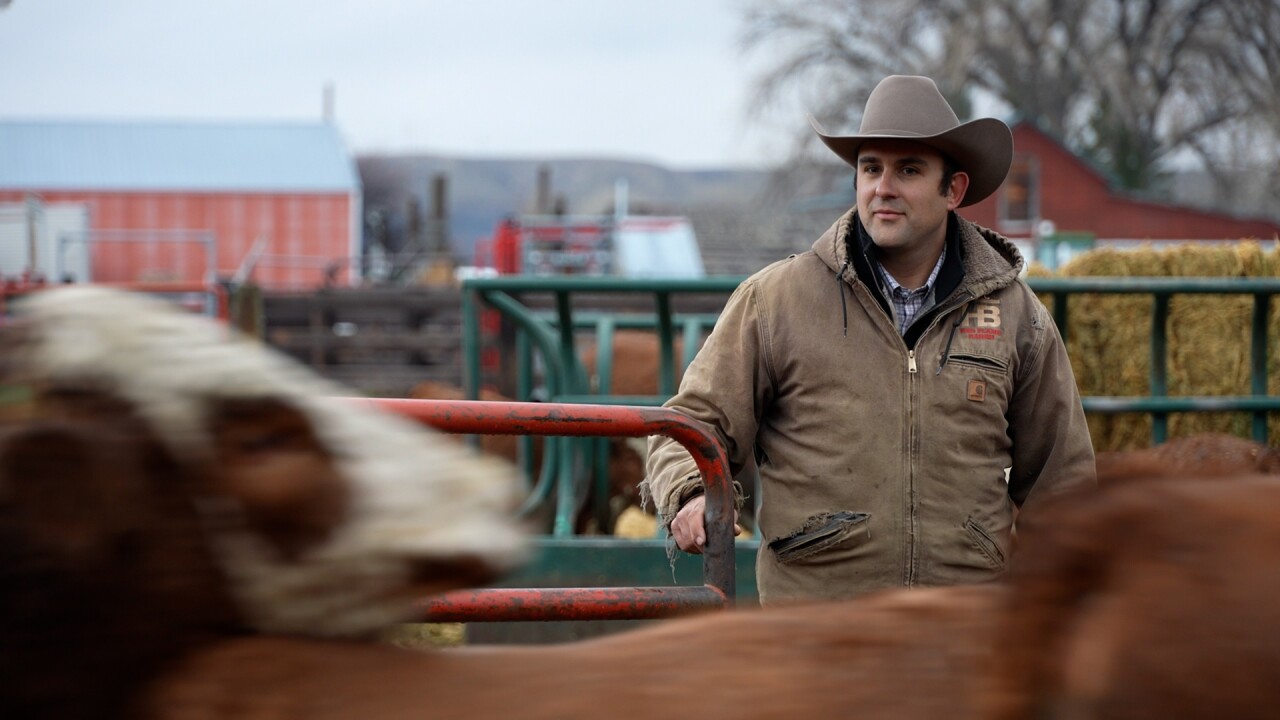
Sean Sayers with Red Flame Ranch markets beef directly to customers through a farm-to-table model. He says reliable processing is critical because cattle production requires long-term planning.
“We’re really thinking two to three years down the road,” Sayers said.
From breeding to feeding programs, the investment is multi-year.
“By the time you breed the cow, then you’ve got gestation, then you let that calf grow up… and we won’t ship anything less than 180 days on feed,” he said.
For ranchers selling directly to consumers, having dependable access to processing strengthens both quality control and accountability.
“When you start tying your name to it… your customers can call you directly,” Sayers said. “And we can continue to strive for excellence and make sure they’re getting a premium product.”
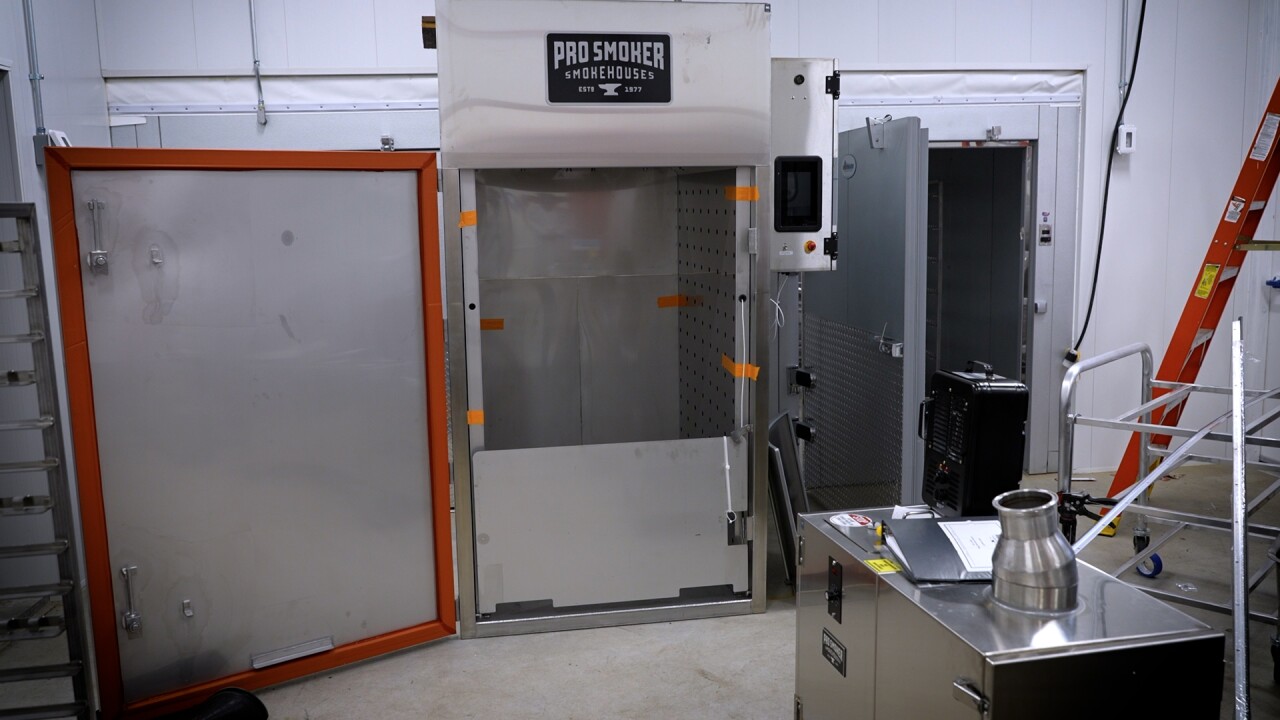
MPPC is also expanding into value-added processing, including smokehouse and shelf-stable products. That expansion will allow members to diversify offerings and reduce shipping costs associated with frozen products, giving them more ways to compete in a shifting marketplace.
Jones says the co-op model represents more than just shared infrastructure.
“The whole co-op model… we need to share our resources to help everybody improve their lives,” he said. “It’s easier to face your own things when somebody has your back.”
As Montana producers navigate rising costs and evolving markets, leaders at MPPC say the goal remains clear: keep processing access reliable, maintain product quality, and retain more value within the state’s agricultural economy.
